You Won’t Believe What I Found in Gozo’s Hidden Wild Places
Have you ever stumbled upon a place so untouched it feels like the world forgot it existed? That’s Gozo, Malta’s quieter sister island, where protected natural areas hide in plain sight. I went searching for peace and left with a soul full of wonder. From coastal cliffs buzzing with life to silent inland valleys, Gozo’s preserved landscapes aren’t just beautiful—they’re breathing spaces for both nature and the human spirit. This is real, raw nature you can actually experience.
Discovering Gozo: More Than Just a Mediterranean Island
Gozo is often introduced as Malta’s quieter sibling, but that label doesn’t do it justice. While the main island of Malta pulses with energy, modern developments, and historic cities, Gozo remains rooted in a slower, more deliberate rhythm of life. Its population is sparse, its villages are wrapped in limestone charm, and its countryside is stitched together with centuries-old dry-stone walls. This isn’t a destination shaped by mass tourism; it’s a place where tradition, agriculture, and nature coexist in a delicate balance. What makes Gozo truly exceptional is its quiet commitment to environmental stewardship. Despite its small size—just over 65 square kilometers—the island hosts a remarkable number of protected natural areas, many of which are recognized by the European Union under the Natura 2000 network.
The island’s dedication to preservation is not accidental. For generations, Gozitans have lived close to the land, relying on sustainable farming, fishing, and seasonal cycles. This deep-rooted connection has fostered a culture that values conservation not as a trend, but as a necessity. Today, visitors are welcomed not to sprawling resorts, but to family-run farms, quiet coves, and trails that lead into untouched corners of the island. Unlike many Mediterranean destinations that have succumbed to overdevelopment, Gozo has resisted the urge to commercialize its natural assets. Instead, it offers an alternative model: tourism that enhances rather than degrades the environment. Protected areas here are not afterthoughts; they are central to Gozo’s identity.
For the mindful traveler, this means an opportunity to experience nature in its most authentic form. Whether it’s walking through a valley where wild thyme perfumes the air or watching kestrels circle above terraced fields, Gozo invites a kind of presence that is increasingly rare. It’s not about ticking off landmarks, but about slowing down and noticing—the way sunlight filters through carob trees, the sound of waves echoing in sea caves, or the sudden flash of a blue rock thrush darting across a cliff face. These moments are not staged; they unfold naturally, protected by policies and respected by locals. In a world where wilderness is shrinking, Gozo stands as a quiet testament to what is possible when a community chooses to protect its natural heritage.
Dwerja Tower and the Azure Window’s Legacy
One of Gozo’s most iconic natural sites is Dwejra, a dramatic coastal formation recognized by UNESCO as a Site of International Geological Importance. Though it is best known as the former home of the Azure Window—a natural limestone arch that collapsed in 2017—Dwejra’s significance extends far beyond that single landmark. The area remains a geological wonderland, shaped by millennia of wind, water, and tectonic movement. At its heart lies the Inland Sea, a tranquil lagoon connected to the open Mediterranean by a narrow tunnel carved through rock. Boats glide silently through this passage, emerging into a basin surrounded by sheer cliffs, where sunlight dances on turquoise waters. It’s a place that feels both ancient and alive, a living record of Earth’s slow, powerful transformations.
Nearby, Fungus Rock rises like a sentinel from the sea. This small islet was once a closely guarded reserve during the time of the Knights of St. John, who believed a rare plant—possibly a type of endemic orchid or fungal growth—grew there and possessed medicinal properties. While the exact nature of the “fungus” remains debated, the rock itself is now a protected sanctuary for seabirds and home to several rare plant species adapted to its harsh, saline environment. Access to the islet is strictly prohibited, a necessary measure to preserve its fragile ecosystem. The surrounding waters are part of a marine protected area, where diving and snorkeling reveal underwater caves, coral formations, and schools of damselfish and bream that thrive in the clear, nutrient-rich currents.
Despite the loss of the Azure Window, Dwejra continues to draw visitors, not out of nostalgia, but because the landscape itself remains awe-inspiring. Conservation efforts here are robust and visible. Interpretive signs explain the geology and ecology of the site, and rangers from the Gozo Nature Trust conduct regular monitoring and educational programs. Visitors are encouraged to stay on marked paths, avoid disturbing wildlife, and refrain from removing stones or plants. These rules are not arbitrary; they are responses to real pressures. The popularity of the site means that even small actions—like stepping on fragile soil or leaving behind litter—can have cumulative effects. By following guidelines, travelers contribute to the long-term protection of this unique environment. Dwejra is not a museum piece; it is a dynamic, evolving landscape that demands respect and care.
The Xlendi to Wardija Cliffs: A Coastal Hiker’s Dream
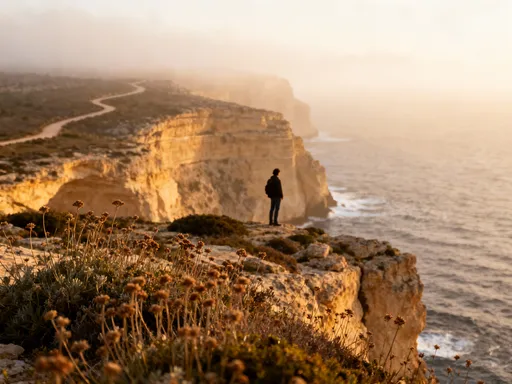
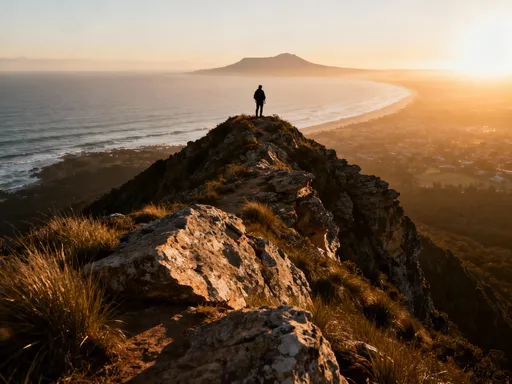
For those who seek immersive experiences on foot, the coastal trail from Xlendi Bay to Wardija Point offers one of the most rewarding hikes in the Maltese Islands. Stretching approximately five kilometers along Gozo’s southwestern edge, this route is part of a Special Area of Conservation designated under EU environmental directives. The path winds through rugged terrain, offering uninterrupted views of the Mediterranean and access to secluded coves and natural arches. It’s a journey that engages all the senses: the scent of wild herbs on the breeze, the crunch of limestone underfoot, the distant cry of peregrine falcons overhead. What makes this trail exceptional is not just its beauty, but its ecological richness. The cliffs support a variety of native plants, including the Maltese salt tree, a rare shrub that thrives in saline conditions and is found almost exclusively on Gozo and nearby islets.
The area is also a haven for wildlife. During spring and autumn, the cliffs become a corridor for migratory seabirds, including shearwaters, storm petrels, and Audouin’s gulls. These birds rely on the undisturbed ledges for nesting, making it essential that human activity remains low-impact. The trail is well-marked but not paved, preserving its natural character. Hikers are advised to wear sturdy footwear, carry water, and avoid visiting during the hottest part of the day, especially in summer. Early morning or late afternoon walks offer the best light for photography and the highest chances of spotting wildlife. Sun protection and a hat are essential, as shade is minimal along much of the route.
Responsible hiking here means more than personal safety—it’s about protecting the environment. Travelers are encouraged to stay on the designated path to prevent soil erosion and disturbance to plant roots. Littering is strictly discouraged, and visitors are asked to carry out everything they bring in. Some sections of the cliff are unstable, and local authorities have installed barriers to prevent access to dangerous areas. These restrictions are not meant to limit enjoyment, but to ensure the trail remains safe and sustainable for future generations. For families, solo travelers, or seasoned hikers, this route offers a rare opportunity to walk through a landscape that feels wild and unaltered, where the rhythm of nature sets the pace.
Ghadira Nature Reserve: Where Wetlands Come Alive
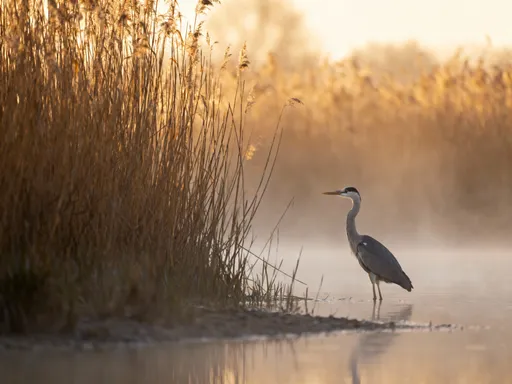
While Gozo is often associated with rocky coastlines and arid hills, it also harbors a different kind of ecosystem—one that pulses with seasonal life. Ghadira Nature Reserve, located on the northwest coast, is one of the last remaining seasonal wetlands in the Maltese archipelago. Each winter, rainwater collects in this low-lying area, transforming it into a shallow lake that attracts hundreds of migratory birds. Herons, egrets, and pintails wade through the reeds, while kingfishers dart between branches and warblers flit through the undergrowth. The reserve is especially important for species that travel between Europe and Africa, providing a crucial stopover where they can rest and feed during long journeys. For birdwatchers, Ghadira is a treasure trove, offering opportunities to observe rare and protected species in a peaceful, well-managed setting.
The reserve features a raised boardwalk that allows visitors to explore the wetland without disturbing the delicate habitat. This thoughtful design ensures accessibility while minimizing human impact. Interpretive panels along the path provide information about the birds, plants, and hydrology of the area, making it an educational experience for children and adults alike. The Maltese freshwater crab, a small but ecologically significant species, has been observed in the reserve’s water channels, underscoring the importance of maintaining clean, unpolluted water sources. Conservationists monitor water quality and vegetation regularly, working to control invasive plant species and restore native reeds and rushes that support biodiversity.
Management of Ghadira is a collaborative effort involving local environmental groups, government agencies, and volunteers. Their work includes seasonal maintenance, habitat restoration, and public outreach. Visitors are encouraged to respect quiet zones, keep dogs on leashes, and avoid loud noises that could startle wildlife. The reserve is open year-round, but the best time to visit is between October and March, when migratory birds are present. Even in summer, when the wetland dries up, the surrounding Mediterranean scrubland remains vibrant, with wildflowers like sea lavender and golden samphire adding color to the landscape. Ghadira reminds us that conservation is not just about protecting dramatic landscapes, but also about valuing the quiet, often overlooked places that sustain life in subtle but vital ways.
The Ramla Bay Ecosystem: Red Sand, Rare Plants, and Rising Challenges
Ramla Bay is Gozo’s largest sandy beach, famous for its distinctive red-gold sand and gentle slope into the sea. Postcards and travel brochures often highlight its beauty, but few capture the ecological importance of this protected site. The bay is surrounded by fragile sand dunes that serve as a natural barrier against coastal erosion and provide habitat for several endemic plant species. Among them is the Maltese pyramidal orchid, a delicate flower that blooms in spring and is found nowhere else in the world. These dunes are not static; they shift and reshape with the wind, forming a dynamic ecosystem that supports insects, reptiles, and nesting birds.
Yet Ramla Bay faces growing pressures. Increased visitor numbers, especially during peak season, have led to trampling of dune vegetation, litter accumulation, and unauthorized campfires. Without intervention, these impacts could destabilize the dunes and accelerate erosion. In response, local authorities and environmental groups have implemented a series of protective measures. Wooden boardwalks guide visitors across the most sensitive areas, preventing direct foot traffic on the dunes. Fencing made from natural materials helps stabilize the sand and encourages plant regrowth. Educational signage explains the importance of the dune ecosystem and urges responsible behavior—such as not digging holes, avoiding plant removal, and keeping beach games away from the vegetation line.
These efforts are making a difference. Over the past decade, native plant cover has increased, and erosion rates have slowed in managed zones. Still, long-term success depends on visitor cooperation. Responsible beach use means more than just picking up trash; it involves a mindset of stewardship. Travelers can help by choosing reusable items, staying within designated areas, and teaching children to respect the natural environment. Ramla Bay is not just a place for sunbathing and swimming—it is a living system that requires care. When visitors understand this, their experience deepens. They begin to see the beach not as a backdrop, but as a community of life, each element interconnected and worthy of protection.
Farm Trails and Countryside Corridors: Connecting People to Protected Land
One of the most underappreciated aspects of Gozo’s conservation success is its network of rural footpaths that weave through farmland, valleys, and protected zones. These trails, many of which follow ancient routes used by farmers for centuries, connect villages to remote natural areas and allow travelers to experience the island’s interior in an intimate way. Unlike formal parks, these corridors are living landscapes—working farms, olive groves, and terraced fields where agriculture and ecology intersect. Local farmers play a crucial role in maintaining biodiversity by using traditional methods that avoid heavy pesticides, preserve soil health, and support pollinators like bees and butterflies.
Agri-tourism has become an important tool for conservation, offering visitors the chance to learn about sustainable farming while supporting local livelihoods. Guided walks, farm stays, and seasonal harvest experiences provide meaningful engagement without disrupting the rural character of the island. Some farms offer organic produce, honey, and goat cheese for sale, creating a direct link between conservation and community well-being. These interactions foster appreciation for the land and the people who steward it. For example, a walk through a valley might include a stop at a family-run orchard where figs, prickly pears, and carob pods are harvested using methods passed down through generations.
Travelers are encouraged to explore these areas respectfully—by staying on paths, asking permission before entering private land, and supporting eco-conscious businesses. The absence of large-scale development means that even a short walk can feel like a journey into another world. The sound of a donkey braying in the distance, the sight of a farmer repairing a stone wall by hand, or the smell of sun-warmed herbs after a light rain—these are the textures of Gozo’s countryside. By choosing to walk these trails, visitors become part of a quiet movement to preserve not just nature, but culture and tradition. The land is not frozen in time; it is cared for, worked, and loved in ways that honor both past and future.
Why Protected Areas Matter—And How Travelers Can Help
Gozo’s network of protected natural areas offers more than scenic beauty; it provides a model for sustainable living on small islands. In ecosystems as delicate as these, even minor disruptions can have lasting consequences. Rising sea levels, invasive species, and tourism pressures all pose real threats. Yet Gozo demonstrates that with thoughtful management, community involvement, and responsible tourism, it is possible to protect nature while allowing people to experience it deeply. These areas are not barriers to enjoyment; they are frameworks that ensure experiences remain authentic and environments remain resilient.
Travelers have a vital role to play in this balance. Simple actions—staying on marked trails, avoiding single-use plastics, supporting local conservation initiatives—can have a cumulative positive impact. Choosing eco-certified accommodations, participating in citizen science programs like bird counts, or volunteering for a beach cleanup are meaningful ways to give back. Equally important is the shift in mindset: seeing oneself not as a consumer of nature, but as a guest within it. When visitors approach protected areas with humility and care, they contribute to a culture of respect that benefits everyone.
Gozo’s wild places are not relics of the past; they are living, breathing spaces that invite connection, reflection, and renewal. They remind us that beauty and biodiversity are not luxuries, but necessities—for clean air, for mental well-being, for the survival of countless species, including our own. As more people seek travel that is meaningful and sustainable, destinations like Gozo offer inspiration. They show that preservation and progress are not opposites, but partners. The next time you plan a journey, consider not just where you want to go, but how you want to be in that place. Let Gozo’s hidden wilds be a reminder: the most unforgettable experiences often come not from what we take, but from what we protect.