You Won’t Believe What I Found in Aswan’s Hidden Urban Corners
Aswan isn’t just temples and Nile views—it’s alive in its quiet streets, local markets, and riverside neighborhoods most tourists miss. I wandered off the postcard path and discovered a side of the city that pulses with daily life, color, and unexpected charm. This isn’t about must-see sights; it’s about feeling the rhythm of urban Aswan, where Nubian courtyards meet colonial architecture and alleyways tell stories. If you’re craving authenticity, let me take you there.
The Quiet Pulse of Aswan’s Streets
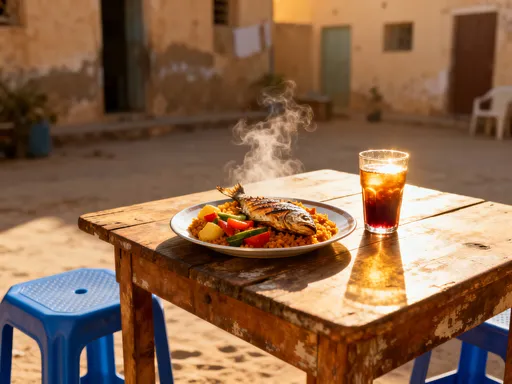
As the first light spills over the Nile, painting the sky in soft gold and rose, Aswan begins to stir. Along the Corniche, the riverside promenade that curves like a ribbon through the city, early risers walk at a gentle pace, greeting neighbors with quiet nods or warm hellos. The air carries the scent of baking bread from small neighborhood ovens, mingling with the damp earthiness of the river and the faint trace of jasmine from overhanging gardens. This is not the Aswan of tour buses and guided groups, but a more intimate version—one where life unfolds in unhurried moments and familiar routines.
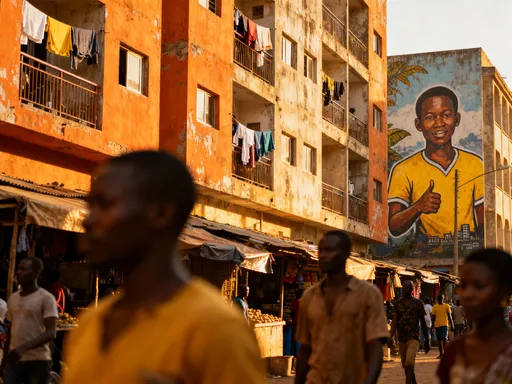
In the residential lanes just behind the Corniche, life moves with a different rhythm. Women sweep doorsteps with bundled reeds, children chase each other barefoot through shaded alleys, and shopkeepers arrange baskets of dates and figs outside wooden stalls. The sounds are layered but never overwhelming: the distant call to prayer, the clink of teacups at a sidewalk stall, the laughter of a family gathered around a breakfast table. These are the everyday symphonies of Aswan, rarely heard by those who stay within the tourist corridors.
There is a quiet contrast between the bustling temple sites and the calm of these inner streets. While Philae and the High Dam draw crowds, the neighborhoods nearby remain untouched by commercialization. Here, there are no souvenir hawkers or ticket booths—only homes, local bakeries, and corner shops where residents know each other by name. This separation allows the city to maintain its dual identity: a historic destination for travelers and a living, breathing community for those who call it home.
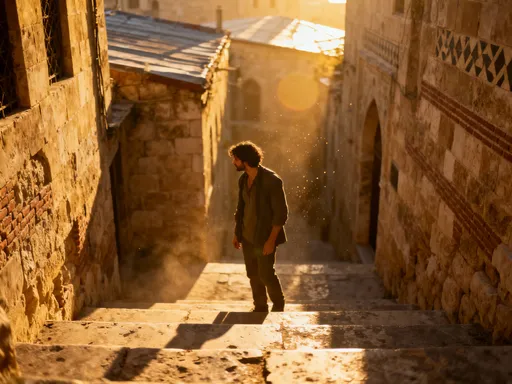
Stepping away from the landmarks reveals the city’s true character. It is in these unremarkable streets that Aswan feels most authentic. The worn stone steps leading down to the water, the laundry fluttering between buildings, the old men playing dominoes under a palm tree—these details form the soul of the city. For travelers seeking connection over convenience, these quiet corners offer a rare gift: the chance to witness life as it is lived, not performed.
Nubian Influence in the Urban Fabric
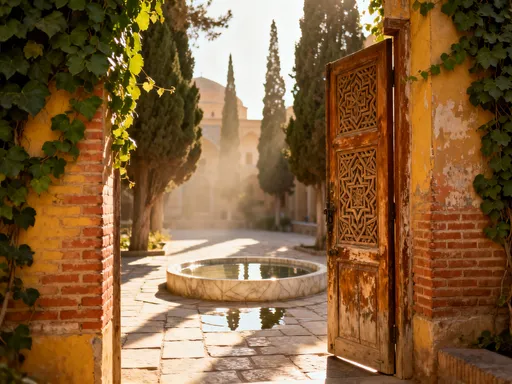
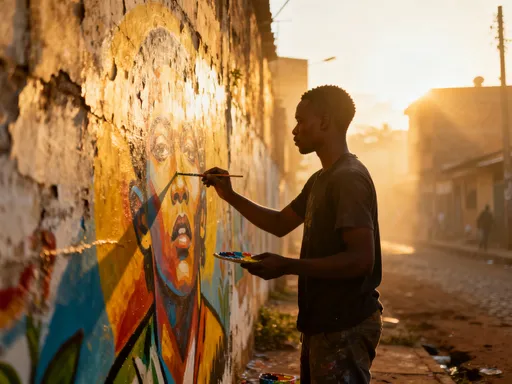
One of Aswan’s most striking features is the enduring presence of Nubian culture woven into the city’s urban landscape. In neighborhoods like Siouh and parts of Kitchener’s Island, brightly painted homes stand like jewels in the desert light. Walls are adorned in vibrant blues, yellows, and greens, often decorated with symbolic patterns that speak of protection, prosperity, and heritage. These are not tourist facades but lived-in homes, passed down through generations, where families gather in open courtyards shaded by banana trees and grapevines.
The Nubian influence goes beyond color. The design of these homes reflects a deep understanding of climate and community. Thick mud-brick walls keep interiors cool, while high ceilings allow hot air to rise. Courtyards serve as shared spaces where neighbors visit, children play, and meals are often prepared outdoors. This communal way of living fosters strong social bonds, a sense of belonging that is evident in the easy greetings and open smiles exchanged between residents.
Though displaced from their original lands during the creation of Lake Nasser, many Nubian families resettled in and around Aswan, bringing their traditions with them. Their cultural resilience is visible in the preservation of language, music, and craftsmanship. In local markets, you’ll find handwoven baskets, embroidered textiles, and pottery made using age-old techniques. These items are not crafted for display but for daily use, passed from mother to daughter, embedded in the rhythm of ordinary life.
The integration of Nubian culture into Aswan’s urban fabric enriches the city’s identity. It is not a separate enclave but a vital thread in the city’s tapestry. When travelers take the time to visit these neighborhoods—not as spectators but as respectful guests—they gain insight into a way of life that values warmth, hospitality, and connection. The Nubian presence reminds us that cities are not just collections of buildings, but living expressions of the people who shape them.
Green Spaces Along the Nile: More Than Just Scenery
Amid the arid landscape of southern Egypt, Aswan’s green spaces feel like oases of calm and life. These are not manicured parks designed for show, but functional, beloved parts of the city where residents gather, relax, and reconnect with nature. The most famous of these is the Botanical Garden on Kitchener’s Island, a lush sanctuary formed over a century ago when Lord Kitchener planted exotic trees and flowers brought from across the tropics. Today, it remains a haven of biodiversity, where flamboyant trees bloom in bursts of red, and caged birds sing from shaded perches.
But the city’s greenery extends beyond this single island. Along the riverbanks, palm groves line the water’s edge, their fronds rustling in the breeze. Neighborhoods like Elephantine Island and parts of the eastern shore are dotted with private gardens and small orchards, where pomegranate, mango, and guava trees grow in abundance. These spaces are not just decorative—they serve practical roles in cooling the air, providing shade, and supporting local agriculture. In a region where temperatures soar, such green pockets are essential for well-being.
What makes these areas special is how seamlessly they blend with urban life. Families picnic on grassy banks, students read under trees, and elders sip tea in quiet corners. The Botanical Garden, though visited by tourists, is equally cherished by locals who come to walk its paths, enjoy the fragrance of blooming frangipani, or simply sit and watch the Nile flow by. It is a place of respite, not escape—a reminder that nature need not be far from home to offer peace.
The presence of these green zones also reflects a deeper relationship between Aswan’s people and their environment. Water from the Nile is carefully channeled to sustain these spaces, and many residents take pride in maintaining their gardens. This stewardship is both practical and cultural, rooted in a long history of living in harmony with the river. For travelers, these green spaces offer a different kind of sightseeing—one that invites stillness, reflection, and a deeper appreciation for how a city can thrive in balance with nature.
Markets as Living Urban Hubs
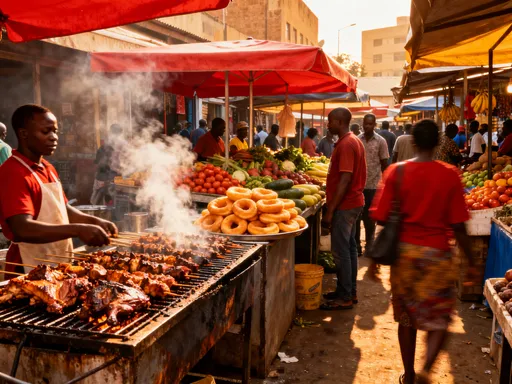
No visit to Aswan is complete without stepping into the heart of its main souk, a bustling network of covered alleys and open-air stalls that hums with energy from dawn until dusk. This is not a market designed for tourists, though visitors are welcome. It is, first and foremost, a place of daily life—a social and economic engine where goods are traded, news is shared, and relationships are nurtured. The air is rich with the scent of cumin, coriander, and freshly ground coffee, while mounds of saffron and turmeric glow like powdered sunlight.
The layout of the market follows an organic logic, shaped by decades of use. Spices are clustered together, their vibrant colors spilling from burlap sacks. Nearby, butchers hang cuts of lamb, while fishmongers display the day’s Nile catch on beds of ice. Fruit vendors arrange pyramids of oranges, dates, and melons, their stalls shaded by frayed awnings. The flow of people—shoppers, delivery boys on bicycles, shopkeepers calling out greetings—creates a rhythm as steady as a heartbeat.
What makes the souk function so smoothly is the trust and familiarity among its participants. Transactions are often conducted with a handshake or a nod; prices are negotiated with a smile, not aggression. A woman buying lentils might pause to ask after a vendor’s son, or an elderly man might linger to share a joke with the tea seller. These small exchanges are not incidental—they are the foundation of the market’s vitality.
For travelers, the souk offers more than shopping. It is a window into the city’s soul. Observing how people move through the space, how they interact, how they manage the heat and crowds with patience and humor—these are the quiet lessons of urban life in Aswan. By visiting with respect, by listening more than speaking, by accepting a cup of tea when offered, visitors can experience a connection that no guided tour can replicate. The souk is not just a place to buy; it is a place to belong, even if only for a moment.
Architecture That Tells a Story
Walking through Aswan is like reading a living history book written in stone, brick, and paint. The city’s architecture reflects layers of influence—Nubian, Ottoman, colonial, and modern Egyptian—all coexisting in surprising harmony. In the older districts, you’ll find low-rise buildings with arched doorways and latticed windows, designed to filter sunlight and invite breezes. Some homes still bear the marks of British colonial presence, with wide verandas and iron-railed balconies, now repurposed by Egyptian families who have lived there for generations.
What stands out is the lack of rigid urban planning. Unlike cities rebuilt with strict grids, Aswan has grown organically, its streets winding like tributaries. This unplanned development has preserved a sense of intimacy and charm. Buildings rise at different heights, alleys branch unexpectedly, and courtyards open like hidden secrets. There is no uniformity, yet there is cohesion—a visual language of earth-toned walls, wooden shutters, and climbing vines that ties the city together.
In recent years, some modern construction has introduced concrete apartment blocks, but even these often incorporate traditional elements—tile work, shaded balconies, rooftop terraces. This blending of old and new shows a city that honors its past while accommodating growth. There is no attempt to erase history; instead, there is a quiet respect for what came before.
For the observant traveler, each district tells a different chapter of Aswan’s story. The colonial-era homes near the railway station speak of a time when the city was a stop on the grand Nile journey. The Nubian villages whisper of resilience and cultural pride. The newer neighborhoods reflect the aspirations of a growing population. Together, they form a portrait of a city that evolves without losing its soul. Architecture here is not just shelter—it is memory, identity, and continuity made visible.
Getting Around: Walking, Feluccas, and Local Rhythms
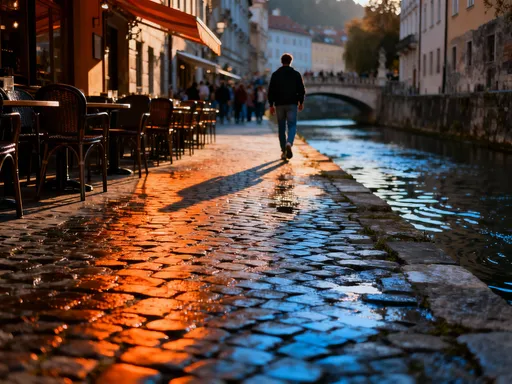
One of the most striking aspects of Aswan is how effortlessly it can be explored on foot. Unlike larger Egyptian cities with congested streets and honking traffic, Aswan moves at a human scale. The absence of heavy vehicles makes walking not just possible but pleasurable. Sidewalks may be uneven, and shade is welcome, but the pace of life encourages strolling—stopping to watch a carpenter at work, pausing at a juice stand, or simply standing by the river to watch the feluccas glide by.
Feluccas, the traditional wooden sailboats of the Nile, are not just tourist attractions here—they are part of the city’s transportation network. Locals use them for short crossings between islands and the mainland, especially during the cooler months when the wind is favorable. A five-minute ride from the east bank to Kitchener’s Island costs little and offers a serene perspective of the city from the water. These quiet journeys, powered only by wind and skill, contrast sharply with the noise and speed of motorized transport.
The reliance on walking and feluccas shapes the urban experience in profound ways. It slows people down, encouraging observation and interaction. You are more likely to notice details—the pattern of a tile, the sound of a flute from an open window, the way sunlight hits a painted wall—when you are not rushing by in a car. This slower rhythm fosters a deeper connection to place, allowing travelers to absorb the city’s essence rather than just ticking off sights.
Public transportation, when used, is simple and accessible. Buses and minibuses serve the outer neighborhoods, but most residents prefer to walk or cycle for short distances. This low-impact mobility contributes to the city’s calm atmosphere and air quality. For visitors, embracing this pace—leaving the itinerary behind, allowing time to get lost in an alley, accepting an invitation to sit and chat—can transform a trip from sightseeing to soul-seeing.
Why Aswan’s Urban Soul Matters for Travelers
In an age of curated travel experiences and Instagrammable landmarks, Aswan’s true value lies not in its monuments but in its everyday life. The temples are magnificent, the Nile views breathtaking—but it is the city’s urban soul that offers the deepest connection. When you walk through a Nubian courtyard, sip tea with a shopkeeper, or watch children play in a sunlit alley, you are not just observing culture; you are participating in it, however briefly.
For travelers, especially those in their 30s to 50s who may be seeking meaningful experiences over checklist tourism, Aswan presents a rare opportunity. It invites you to slow down, to listen, to be present. There is no need to rush. The city unfolds at its own pace, rewarding patience with moments of quiet beauty and human warmth. It reminds us that travel is not just about seeing new places, but about feeling them—about allowing a place to leave its mark on you.
To explore Aswan authentically, start early in the morning when the streets are cool and active. Begin with a walk along the Corniche, then drift into the side lanes. Visit the souk not to buy, but to observe. Accept invitations when they come, even if only for a cup of tea. Dress modestly, smile often, and remember that respect opens more doors than money ever could. And above all, let go of the need to capture everything—some moments are meant to be lived, not photographed.
Aswan’s urban spaces are not backdrops to a journey—they are the journey. In their quiet streets, colorful homes, and lively markets, we find the heart of what it means to be human: connection, community, and continuity. For those willing to look beyond the obvious, the city offers not just memories, but transformation. You may come for the temples, but you will leave changed by the streets.