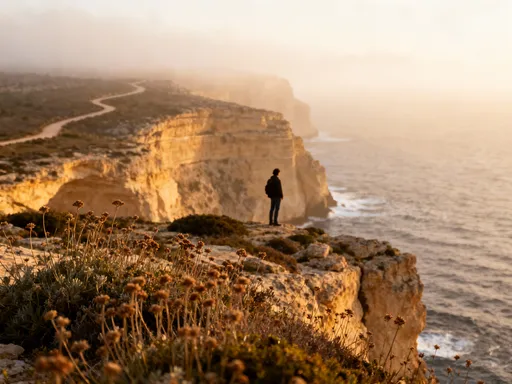
You Won’t Believe These Hidden Hiking Views in Adelaide
Adelaide isn’t just about wine and festivals—its hiking trails offer some of the most breathtaking views you’ll ever see. I hit the trails last spring and was blown away by how much untouched beauty lies just minutes from the city. From sweeping coastal cliffs to peaceful mountain ridges, every path delivers a unique visual feast. If you're craving nature that feels both wild and welcoming, Adelaide’s hiking spots should be at the top of your list.
Why Hiking in Adelaide Stands Out
Adelaide’s geographic setting is nothing short of ideal for hikers who value both convenience and natural beauty. Nestled between the Gulf St Vincent to the west and the Mount Lofty Ranges to the east, the city offers immediate access to a rich tapestry of ecosystems. Within a 30-minute drive from the city center, you can find yourself walking through eucalyptus forests, along rugged coastlines, or atop sandstone ridges with panoramic views that stretch for miles. This rare combination of urban proximity and wilderness access makes Adelaide a standout destination for outdoor enthusiasts of all levels.
The region’s Mediterranean climate further enhances its hiking appeal. With mild, wet winters and warm, dry summers, the area supports year-round trail use. Rainfall primarily occurs between May and September, which means springtime brings lush greenery and blooming wildflowers, making it one of the most visually rewarding times to hike. Meanwhile, low light pollution across much of the region ensures that even twilight hikes offer clear visibility, and on clear days, visibility from elevated trails can exceed 20 kilometers, allowing hikers to see everything from the Adelaide Plains to the distant coastline.
What truly sets Adelaide apart is the density and quality of its trail network. South Australia boasts over 2,000 kilometers of designated walking trails, with a significant portion concentrated in the Adelaide Hills and nearby conservation parks. The average elevation gain across popular day hikes ranges from 150 to 400 meters, offering manageable climbs with substantial visual rewards. Trails are well-maintained by the Department for Environment and Water and local councils, featuring clear signage, marked rest points, and accessible entryways. This infrastructure ensures safety and confidence, especially for families and solo hikers, while preserving the sense of adventure that draws people to the outdoors.
Moreover, Adelaide’s commitment to environmental conservation means many of these trails traverse protected areas where native flora and fauna thrive. Kangaroos, echidnas, and a wide variety of bird species are commonly spotted, adding a wildlife dimension to the hiking experience. The air quality in the hills is consistently rated among the best in Australia, contributing to a feeling of physical ease and mental clarity while hiking. For those seeking a balance between accessibility and immersion in nature, Adelaide delivers an experience that is both effortless to reach and deeply restorative once you’re on the trail.
Top Trails with Unmatched Viewing Experiences
Among the many trails surrounding Adelaide, a select few stand out for their exceptional visual impact. These paths offer more than just exercise—they provide a journey through landscapes that shift dramatically with every turn. Each trail tells a story through its scenery, from cascading waterfalls to sweeping city panoramas, making them ideal for hikers who value memorable views as much as physical activity.
The Mount Lofty Summit track, accessed via Waterfall Gully, is perhaps the most iconic. This 5-kilometer return hike gains about 260 meters in elevation and winds through dense stringybark forest. The trail begins beside a seasonal waterfall, which flows strongest in winter and spring, creating a soothing soundtrack as you climb. As you ascend, glimpses of Adelaide appear through the trees, and by the time you reach the summit, the entire metropolitan area unfolds below. On a clear day, you can see all the way to the Fleurieu Peninsula. The summit features a historic lookout with interpretive panels, offering context for the vast landscape stretching in every direction.
Another favorite is the Morialta Falls Loop, located just 10 kilometers east of the city. This 6-kilometer circuit takes hikers past three tiered waterfalls, each more dramatic than the last. The sound of falling water echoes through the gorge, and native ferns cling to the sandstone cliffs, creating a lush, almost tropical atmosphere. The upper lookout provides a commanding view of the falls and the surrounding valley, while the lower sections allow for close-up encounters with rock pools and shaded alcoves. The trail is well-suited for families, with sturdy railings and clear pathways, yet it still feels remote and immersive.
For those seeking a longer, more varied experience, the southern section of the Heysen Trail offers unparalleled diversity. Stretching over 1,200 kilometers from Cape Jervis to Parachilna Gorge, even a short segment of this national icon delivers big rewards. The stretch from Cherry Gardens to Mount Lofty is particularly scenic, traversing open woodland, rocky outcrops, and quiet ridgelines. Hikers are treated to uninterrupted views of rolling hills and distant farmsteads, with seasonal changes painting the landscape in different hues. Early morning hikes here often reveal mist settling in the valleys, giving the terrain a dreamlike quality.
The Second Valley Forest walk on the Fleurieu Peninsula provides a coastal contrast. This network of trails meanders through dense coastal scrub and tall blue gum forests before opening onto secluded beaches. The climb up to the ridge between Second Valley and Delamere offers one of the most underrated views in the region—a sweeping vista of turquoise waters, rocky headlands, and untouched forest. It’s common to spot southern right whales offshore during winter and spring, adding a dynamic element to the scenery. The trail is relatively flat, making it accessible, yet the sense of remoteness is palpable.
Further north, the Hallett Cove Conservation Park trail system combines geological wonder with coastal beauty. The Seawall Walk follows a 550-million-year-old rock formation, where ancient glacial striations are still visible. The elevated path offers sweeping views of the cove and the ocean beyond, with the city skyline faintly visible on the horizon. Interpretive signs explain the area’s natural history, enriching the visual experience with educational depth. At sunrise, the light reflects off the exposed rock, creating a golden glow that photographers and casual hikers alike find irresistible.
How Viewing Quality Enhances the Hiking Journey
The visual richness of Adelaide’s hiking trails does more than please the eye—it actively contributes to well-being. Numerous studies in environmental psychology have shown that exposure to natural landscapes reduces stress, lowers heart rate, and improves mood. While specific data may vary, the consistent finding is that scenic environments promote mental restoration. When hikers are surrounded by beauty—whether it’s a sunlit forest canopy or a distant sea horizon—the mind naturally shifts from a state of tension to one of calm attentiveness.
This effect is amplified when the landscape offers variety and depth. Trails with layered visuals—foreground details like wildflowers or rock formations, mid-ground elements such as winding creeks or tree-lined ridges, and distant features like mountain peaks or city skylines—engage the brain in a way that feels both stimulating and soothing. This complexity prevents sensory fatigue, a common issue in monotonous environments, and keeps hikers mentally engaged throughout the journey. The anticipation of the next viewpoint becomes a gentle motivator, encouraging continued movement without the sense of exertion.
Moreover, beautiful views create emotional anchors—moments that stay with you long after the hike ends. A sunrise seen from Mount Lofty, the first glimpse of Morialta Falls, or the quiet expanse of Second Valley at dusk can become touchstones of personal reflection. These moments often surface during stressful times, serving as mental resets. For many, this emotional resonance is just as valuable as the physical benefits of hiking. The combination of movement and visual beauty fosters a sense of balance, making the trail not just a path through nature, but a pathway to inner clarity.
There’s also a social dimension to scenic hiking. While the trails are perfect for solitude, they also provide natural opportunities for shared experiences. Families walking together, friends pausing at a lookout, or even brief exchanges with fellow hikers at a trail junction—these interactions are often positive and grounded in mutual appreciation of the surroundings. The beauty of the landscape acts as a common language, fostering connection without the need for words. In this way, scenic trails support not only individual well-being but also social harmony.
Choosing the Right Trail for Your View Goals
Selecting the best trail depends on what kind of view you’re seeking and what kind of experience you want. Adelaide’s diversity means there’s a perfect match for every preference, whether you’re drawn to coastal horizons, forest seclusion, or city panoramas. The key is aligning your physical readiness, available time, and aesthetic goals to make the most of your outing.
If ocean vistas are your priority, the trails around Hallett Cove or the southern Fleurieu Peninsula are ideal. These routes offer direct access to the coastline and uninterrupted views of the sea. They tend to be shorter and flatter, making them suitable for casual hikers or those with limited time. Morning hikes here maximize lighting for photography, with the sun rising over the water and casting long shadows across the rocks.
For those who love the feeling of elevation and sweeping panoramas, the Mount Lofty and Heysen Trail segments are unmatched. These routes involve more climbing but deliver expansive views that justify the effort. They are best suited for moderately fit hikers with at least half a day to spare. Late afternoon hikes allow you to catch the golden hour light sweeping across the hills, transforming the landscape into warm, glowing tones.
If forest immersion is your goal, Morialta Conservation Park and the trails around Cleland Wildlife Park offer deep shade, the sound of birdsong, and the scent of eucalyptus. These environments provide a sense of enclosure and peace, ideal for mindfulness or quiet reflection. They are also excellent choices for families, as the trails are well-marked and safe. Weekday visits help avoid weekend crowds, enhancing the sense of solitude.
For city skyline lovers, the Mount Lofty Summit track remains the top choice. The view of Adelaide from the east is both grand and intimate, showing the layout of suburbs, parks, and the Torrens River winding through the city. Clear winter days offer the sharpest visibility, making it a favorite time for photographers. Using tools like the National Parks SA website or the AllTrails app can help you check recent trail conditions, user photos, and weather forecasts to plan your ideal hike.
Best Times and Seasons for Maximum Visual Impact
Timing can transform an ordinary hike into an unforgettable experience. Adelaide’s seasonal rhythms bring distinct visual changes that enhance the beauty of its trails. Spring, from September to November, is arguably the most vibrant season. Wildflowers blanket the hillsides, including native orchids, grevilleas, and kangaroo paws. The air is fresh, and the foliage is at its greenest, creating a lush, energetic atmosphere. This is also whale-watching season along the coast, adding a dynamic element to seaside hikes.
Autumn, from March to May, offers a different kind of beauty. The temperatures are mild, and the light takes on a soft, golden quality, especially in the late afternoon. Eucalyptus trees shed their bark, revealing smooth, pale trunks that glow in the sunlight. The reduced number of visitors during this season means quieter trails and a greater sense of solitude. It’s an ideal time for reflective hiking, when the pace of nature feels slower and more deliberate.
Winter brings misty mornings and crisp air, particularly in the Adelaide Hills. Trails like Waterfall Gully come alive with flowing water, and the cooler temperatures make longer hikes more comfortable. While the vegetation is less colorful, the mood is atmospheric—fog drifting through the trees, droplets clinging to spiderwebs, and the occasional frost on the path. Sunrise hikes during this season can feel almost magical, with the first light breaking through the haze.
Summer, though hot, offers clear skies and long daylight hours. Early morning hikes are essential to avoid the heat, but the reward is sparkling views of the Gulf and the city waking up below. Some trails, especially those with tree cover, remain cool and shaded, making them viable even in December and January. Midweek hikes during any season help avoid weekend congestion, ensuring a more peaceful experience.
Moonlit walks on well-lit, low-risk trails like those in Brown Hill Creek or along the River Torrens are another option for a unique perspective. With minimal artificial light in certain areas, the night sky becomes visible, and the landscape takes on a silvery hue. These walks are safe, family-friendly, and offer a rare chance to experience nature in stillness.
Essential Tips for a Smooth, Rewarding Hike
A successful hike begins with preparation. Even short trails require basic planning to ensure comfort and safety. Always carry enough water—especially in summer—since natural sources are not available on most trails. A general rule is one liter per two hours of hiking, more if the weather is hot or the trail is strenuous.
Sun protection is critical. Adelaide’s UV levels are high year-round, so wearing a wide-brimmed hat, sunglasses, and SPF30+ sunscreen is essential. Lightweight, breathable clothing that covers the arms and legs helps prevent sunburn and insect bites. Sturdy walking shoes with good grip are non-negotiable, particularly on rocky or uneven paths. Sandals or flat-soled shoes increase the risk of slips and injuries.
Check the weather forecast before you go. While the region is generally stable, sudden changes can occur, especially in the hills. Strong winds or rain can make trails slippery and reduce visibility. The National Parks SA website provides up-to-date alerts on trail closures or hazards.
Stay on marked paths. This protects the environment and ensures you don’t get lost. Most major trails have clear signage at junctions, but carrying a map or using a GPS app is wise. Mobile coverage is generally reliable near the city and on popular trails, but it can fade in deeper gorges or dense forest.
Respect wildlife. Do not feed animals or approach them closely. Kangaroos and birds are accustomed to humans but should be observed from a distance. Avoid loud noises and leave no trace—take all rubbish with you and avoid picking plants. These practices help preserve the natural beauty for future hikers.
Start early. Beating the heat and the crowds enhances the experience. Many trails have small parking areas that fill up quickly on weekends. Arriving by 7:00 or 8:00 a.m. gives you first access to the path and the best light for photography. It also allows time to pause, breathe, and fully absorb the surroundings without feeling rushed.
Why These Views Stay With You Long After the Hike
The most remarkable thing about Adelaide’s hiking trails isn’t just how beautiful they are in the moment, but how deeply they linger in memory. Long after the hike ends, you’ll find yourself recalling the way the light filtered through the trees, the sound of water over rocks, or the vastness of the view from the summit. These moments become part of your inner landscape, resurfacing during quiet times or moments of stress, offering a mental refuge.
What makes these experiences so enduring is their authenticity. Unlike curated attractions or commercialized sites, these trails offer unfiltered nature—raw, peaceful, and unchanged by time. They remind us of a slower, simpler way of being, where progress is measured not in speed but in presence. Each hike becomes a personal journey, not just through space, but through thought and feeling.
For many women in the 30–55 age group—often balancing family, work, and personal well-being—these hikes offer a rare opportunity to reconnect with themselves. The rhythm of walking, the beauty of the surroundings, and the absence of digital noise create a space for reflection and renewal. It’s not about conquering a peak or logging kilometers; it’s about finding moments of peace, clarity, and joy.
Adelaide’s hidden hiking views are more than scenic destinations—they are invitations to slow down, to look closely, and to appreciate the quiet wonders of the natural world. Whether you’re a seasoned hiker or someone stepping onto a trail for the first time, these paths offer something profound: the chance to see beauty, feel grounded, and carry that feeling long after you’ve returned home. So lace up your shoes, choose a trail, and let the journey begin. The views are waiting—and they’re unforgettable.