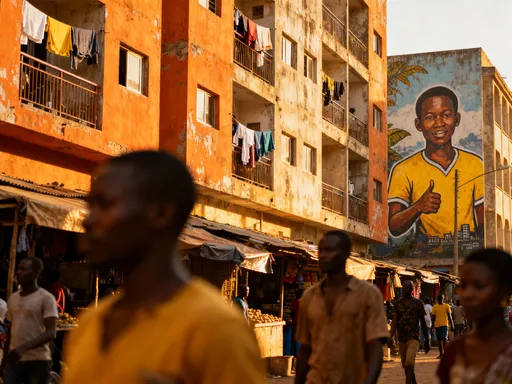
Taste of Nairobi: A Food Lover’s Journey Through Kenya’s Beating Heart
Ever wondered how a city can tell its story through food? Nairobi does it with spice, soul, and street-side sizzle. From bustling markets to cozy local joints, I discovered how Kenyan flavors—think smoky nyama choma, creamy ugali, and sweet mandazi—reflect history, culture, and daily life. This isn’t just eating; it’s experiencing Nairobi one bite at a time. More than Kenya’s capital, Nairobi is a living tapestry of traditions, migration, resilience, and innovation, all expressed in the shared language of food. Every meal here carries a story—of ancestors, of community, of survival, and of celebration. To taste Nairobi is to understand its heartbeat, one plate at a time.
The Flavor of a City
Nairobi is often described as Kenya’s economic and political hub, but its true identity lies in its vibrant, ever-evolving food culture. More than just a capital city, it is a crossroads where rural traditions meet urban rhythms, where age-old recipes simmer beside modern culinary experiments. The city’s culinary landscape tells the story of a nation shaped by agriculture, trade, colonial influence, and a deep sense of community. Food in Nairobi is not merely sustenance; it is a form of expression, a connector of people, and a mirror of daily life. Whether served on a banana leaf at a roadside stall or plated in a contemporary café, each dish offers insight into the values, history, and spirit of its people.
The sensory experience of Nairobi’s food begins before the first bite. The scent of charcoal fires drifts through the air in the early evening. Spices—cumin, cardamom, turmeric—fill market stalls. Vendors call out prices for ripe avocados, purple eggplants, and bundles of spinach known locally as sukuma wiki. The rhythm of chopping, grinding, and frying forms a constant soundtrack in neighborhoods across the city. This is not a gourmet performance for tourists; it is the everyday reality of a city that eats with intention, pride, and joy. To explore Nairobi through food is to engage with its authenticity, to move beyond postcard views and into the heart of how people live, gather, and care for one another.
What makes Nairobi’s food culture particularly compelling is its accessibility. Unlike cities where fine dining dominates the narrative, Nairobi’s most meaningful culinary experiences often happen in humble settings. A plastic stool by the roadside, a shared plate with strangers, a grandmother stirring a pot over an open flame—these are the moments that define the city’s gastronomic soul. Meals are rarely eaten in silence. They are occasions for conversation, laughter, and connection. In a place where life moves quickly and challenges are real, food remains a constant source of comfort and belonging.
Street Food Culture: Where Nairobi Eats on the Go
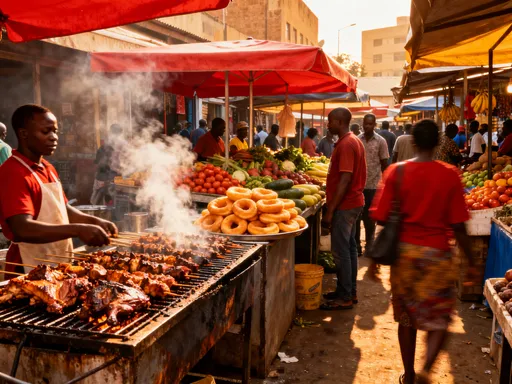
For many Nairobi residents, the day begins and ends with street food. It is the most democratic form of dining in the city—affordable, immediate, and deeply rooted in local taste. From the early morning sale of mandazi, the fluffy triangular doughnuts often enjoyed with spiced tea, to the late-night grilling of mishkaki, street food is woven into the rhythm of urban life. Areas like City Market, Kibera’s edges, and the streets around Tom Mboya and River Road pulse with vendors offering quick, satisfying meals to workers, students, and families on the move.
One of the most iconic street foods is the roasted maize cob, often served with a sprinkle of salt or a squeeze of lemon. Sold from portable metal drums repurposed as ovens, these golden ears of corn are a favorite snack during cooler evenings. Equally popular are samosas—crispy, deep-fried pastries filled with spiced potatoes, peas, or minced meat. They are commonly paired with chai, the strong, milky tea brewed with ginger and cloves, which offers both warmth and energy. For those seeking protein, mishkaki—marinated beef or goat skewers grilled over charcoal—are a flavorful staple, often served with a side of kachumbari, a fresh tomato and onion salad that cuts through the richness of the meat.
While street food is beloved, hygiene remains a concern for both locals and visitors. Experienced eaters know how to assess a vendor’s cleanliness—looking for busy stalls with high turnover, covered food, and clean hands. Many choose spots where they see other locals eating, a reliable indicator of safety and quality. Some vendors now use gloves and disposable utensils, reflecting growing awareness of health standards. Still, the best advice is to follow local habits: drink bottled water, avoid raw vegetables unless peeled, and opt for foods that are cooked thoroughly and served hot. When approached with care, street food offers not just flavor but a genuine connection to how Nairobi lives.
The affordability of street food makes it essential to the city’s food ecosystem. A full meal can cost less than two dollars, making it accessible to millions. It also provides livelihoods for thousands of small-scale entrepreneurs, especially women who run stalls near markets or bus stops. These vendors are more than cooks—they are community anchors, offering not just food but conversation, familiarity, and a sense of continuity in a fast-changing city.
Nyama Choma: Kenya’s Beloved Social Feast
No exploration of Nairobi’s food culture is complete without experiencing nyama choma, Kenya’s cherished tradition of grilled meat. More than a dish, it is a social ritual—a reason to gather, celebrate, and reconnect. The term literally means “roasted meat” in Swahili, and while goat and beef are most common, chicken and even fish are sometimes prepared this way. The meat is slow-grilled over charcoal, often marinated in a simple blend of salt, lemon, and herbs, allowing the natural flavor to shine. The result is smoky, tender, and deeply satisfying, best enjoyed with hands rather than utensils.
The experience of eating nyama choma goes far beyond taste. It is typically a communal affair, with friends and family seated around a shared table, ordering meat by the kilo and watching it cooked to order. It is common to start with small portions and order more as the evening progresses. The meal is always accompanied by ugali, a dense, dough-like staple made from maize flour and water, and kachumbari, the fresh tomato and onion salad that adds brightness and crunch. Some diners also enjoy a side of sukuma wiki, a sautéed leafy green similar to kale, which adds both nutrition and texture.
While nyama choma can be enjoyed in home backyards—where families host weekend barbecues—it has also become a cornerstone of Nairobi’s restaurant scene. Establishments like Carnivore Restaurant in Lang’ata are famous for their “everything but the kitchen sink” approach, offering a wide variety of grilled meats on a continuous serving system. Guests are presented with a red card to signal when they’ve had enough, a playful tradition that has become part of the city’s culinary folklore. Other popular spots include Ole Sereni and K’Osewe, where the atmosphere is lively, the music is loud, and the sense of celebration is palpable.
Beverages play a key role in the nyama choma experience. Banana beer, known as urwaga or mbege in some communities, is a traditional choice, though it is less common in urban restaurants. Most diners opt for bottled soda, fresh juices, or locally brewed beer such as Tusker or White Cap. The meal often stretches over hours, with storytelling, laughter, and toasts forming an essential part of the occasion. Whether marking a birthday, closing a business deal, or simply catching up with old friends, nyama choma is Nairobi’s go-to feast for connection.
Urban Markets: The Pulse of Nairobi’s Pantry
To understand Nairobi’s food culture, one must walk through its markets. These are not tourist attractions but vital arteries of the city’s food supply. Places like Kariakor Market, Gikomba, and Marikiti are where cooks—both professional and home-based—source their ingredients. Here, the city’s culinary diversity comes alive in colorful displays of produce, grains, spices, and meats. The air is thick with the scent of ripe mangoes, fresh coriander, and smoked fish. Sacks of green grams, lentils, and maize are stacked high, while butchers display goat, beef, and chicken with practiced precision.
Kariakor Market, located along Moi Avenue, is particularly known for its fresh vegetables and spices. Vendors sit behind pyramids of red onions, green peppers, and bundles of parsley, calling out prices in Swahili and Sheng, the city’s hybrid street language. One can find everything from turmeric root to dried peppercorns, from fresh ginger to bundles of curry leaves. The market also sells traditional cooking tools—clay pots, wooden spoons, and woven baskets—reminders of a culinary heritage that values both flavor and function.
Gikomba, though more famous for clothing, also hosts a bustling food section where dried fish, legumes, and grains are sold in bulk. It is a place where resourceful cooks stock up for large family meals or community events. The market operates early, with most activity winding down by mid-morning. Visitors are advised to come early, dress modestly, and keep valuables secure. While the environment can feel chaotic, it is also deeply organized—each vendor knows their role, and regular customers are greeted by name.
These markets are more than shopping destinations; they are cultural institutions. They supply not only homes but also roadside kitchens, street vendors, and small restaurants. The produce sold here often comes from nearby farms in Kiambu, Naivasha, and Machakos, creating a short supply chain that supports local agriculture. Many vendors are women who have managed these stalls for decades, passing down knowledge about seasonality, ripeness, and preparation. To shop in these markets is to participate in a system that values freshness, community, and resilience.
Home Cooking: The Soul of Kenyan Cuisine
While restaurants and street food grab attention, the heart of Nairobi’s food culture beats strongest in home kitchens. Here, meals are prepared with care, often following recipes passed down orally from generation to generation. There is no need for cookbooks; the knowledge lives in memory, in gesture, in the rhythm of stirring a pot of githeri—a simple but nourishing dish of boiled maize and beans. It is a staple for many families, especially in low-income households, and a symbol of resilience and resourcefulness.
Home cooking in Nairobi is shaped by practicality and tradition. Meals are typically centered around a carbohydrate—ugali, rice, or chapati—accompanied by a stew or vegetable dish. Common proteins include beans, eggs, canned fish, or small portions of meat. Cooking methods vary: some use gas stoves, others rely on charcoal jikos, and in wealthier homes, electric kettles and pressure cookers speed up preparation. Despite these differences, the goal is the same—to feed the family with warmth and dignity.
One of the most beloved home dishes is sukuma wiki, which literally means “stretch the week” in Swahili. It refers to the practice of using affordable, leafy greens to extend meals when money is tight. Cooked with onions, tomatoes, and sometimes a bit of meat, it is both economical and nutritious. Another favorite is mukimo, a mashed blend of potatoes, peas, corn, and greens, often served with meat. These dishes may seem simple, but they carry deep cultural meaning—they represent care, thrift, and the ability to make something satisfying from modest ingredients.
Meals are usually eaten together, often from a shared plate. Children are taught to eat with their right hand, a practice rooted in hygiene and tradition. Elders are served first, reflecting the value placed on respect and family hierarchy. Even in modern apartments with Western-style furniture, many families still eat on the floor, sitting on mats or cushions. This closeness reinforces the idea that food is not just fuel but a moment of unity. In a city where life can be fast and fragmented, home meals offer stability and love.
Modern Nairobi: Fusion, Cafés, and Culinary Innovation
As Nairobi grows, so does its culinary imagination. In neighborhoods like Kilimani, Westlands, and Lavington, a new wave of cafés, brunch spots, and fusion restaurants is redefining the city’s food scene. These spaces cater to a younger, cosmopolitan crowd—professionals, expatriates, and food enthusiasts eager to blend global trends with local flavors. Avocado toast appears with a Swahili twist—topped with coconut chutney or roasted maize. Smoothie bowls are made with indigenous fruits like passion fruit, tamarind, and baobab. Coffee culture is thriving, with local roasters highlighting single-origin beans from Nyeri, Kirinyaga, and Mount Elgon.
Restaurants like Artcaffe, Java House, and Carnivore Deli have become urban landmarks, offering comfortable spaces to work, meet, or relax. They serve a mix of international dishes—pasta, burgers, salads—alongside Kenyan classics like beef stew with rice or chapati with kachumbari. Some newer establishments, such as The Talisman and Chu’s Chicken, experiment with bold flavor combinations, like pilau pizza or coconut curry wings. These innovations reflect a growing confidence in Nairobi’s culinary identity—one that honors tradition while embracing change.
There is also a rising interest in health-conscious eating. Farm-to-table concepts, organic produce, and plant-based menus are gaining traction, especially among middle- and upper-income residents. Juice bars offer cold-pressed blends with moringa, ginger, and turmeric. Bakeries now feature gluten-free mandazi and whole-grain chapati. While these options remain out of reach for many, they signal a broader shift in how food is perceived—not just as sustenance, but as a form of self-care and expression.
Yet, this modern food scene exists alongside—and sometimes in tension with—the city’s everyday reality. While one group enjoys avocado smoothies in air-conditioned cafés, another queues for githeri at a street stall. This contrast highlights the economic divides within Nairobi. Still, there are signs of convergence: some upscale restaurants now hire chefs from informal settlements, and food festivals increasingly feature both gourmet and traditional vendors. The future of Nairobi’s cuisine may lie in this balance—honoring the roots while making space for innovation.
Practical Guide: How to Explore Nairobi’s Food Scene Like a Local
For visitors eager to experience Nairobi’s food culture authentically, a few practical tips can make all the difference. Start by choosing the right time: mornings and early evenings are ideal for market visits and street food, when vendors are busiest and food is freshest. Avoid peak rush hours, especially between 7–9 a.m. and 5–7 p.m., when traffic can be intense. Using ride-hailing apps like Bolt or Uber is safer and more convenient than hailing cabs on the street. Matatus, the city’s minibus taxis, are a local favorite but can be confusing for newcomers—best used with a guide or after some familiarity with routes.
When it comes to budgeting, Nairobi offers options at every level. A full street meal can cost between $1 and $3, while a mid-range restaurant meal ranges from $10 to $20. Upscale dining may go higher, but even in these spaces, portions are generous. Always carry small bills for street vendors, as change can be hard to come by. Tipping is appreciated but not mandatory—10% at restaurants is customary, while small tips for tea or food runners are welcome but not expected.
To eat like a local, begin with the classics: try nyama choma with ugali and kachumbari, sip chai with samosas, and don’t miss a plate of githeri or mukimo. When ordering, use simple Swahili phrases—“Ningependa…” (I would like…) or “Asante” (Thank you)—to show respect and build rapport. Eat with your right hand when appropriate, and never waste food, as this is seen as disrespectful. Be mindful of cultural norms: avoid public displays of affection, dress modestly in markets, and ask permission before photographing vendors.
Some of the most food-friendly neighborhoods include Eastleigh for Somali-Kenyan cuisine, Kibera for authentic home-style dishes, and Karen for upscale farm-to-table experiences. Walking tours led by local food guides are an excellent way to explore safely and learn context. Whether wandering through a market or sitting at a roadside table, the key is to approach with curiosity, humility, and an open heart.
Conclusion: More Than a Meal—A Taste of Belonging
Nairobi’s food culture is not just about flavor—it is about identity, resilience, and human connection. From the smoky grills of nyama choma joints to the quiet kitchens where mothers prepare dinner for their children, food is a thread that weaves through every aspect of life. It tells the story of a city shaped by history, migration, and innovation, yet deeply rooted in community and tradition. To eat in Nairobi is to be welcomed, to be seen, to be part of something larger than oneself.
Travelers often come to Nairobi for its wildlife, its landscapes, or its urban energy. But the most lasting memories are often made at the table—sharing a meal with strangers, learning how to shape ugali by hand, or laughing over a spilled cup of chai. These moments of connection transcend language and background. They remind us that food is one of the most powerful ways we express care, celebrate life, and build belonging.
So when you visit Nairobi, go beyond the sights. Step into a market, sit on a plastic stool, and order what the locals are eating. Ask questions. Say thank you. Eat with your hands. Let the flavors guide you not just through the city’s cuisine, but through its soul. In Nairobi, every meal is an invitation—to taste, to learn, and to belong.