This Is Why Hallstatt’s Natural Beauty Will Steal Your Breath
Nestled between misty mountains and a mirror-like lake, Hallstatt, Austria, feels like stepping into a dream. I’ve seen many landscapes, but this alpine village delivers a rare kind of magic—where nature and serenity blend perfectly. From dawn’s golden glow on the water to the quiet charm of forest trails, every moment here feels earned and real. If you're chasing beauty that moves you, not just impresses you, Hallstatt should be on your list.
First Glimpse: Arriving in Hallstatt
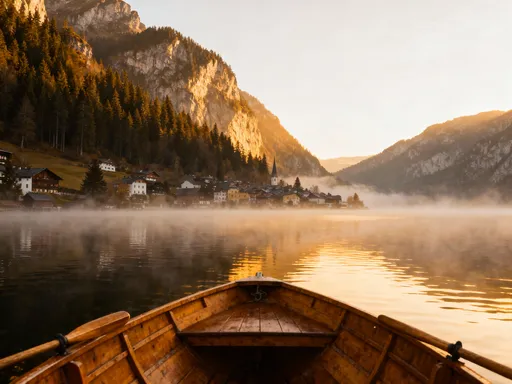
Reaching Hallstatt is part of what makes it unforgettable. There are no highways cutting through the valley, no honking cars or rushing buses. Instead, visitors arrive by foot from the nearby train station, or by a quiet ferry ride across the glassy surface of Lake Hallstatt. As the boat glides forward, the village emerges gradually—wooden chalets with flower boxes stacked like storybooks against the sheer rise of the Dachstein Mountains. The scene feels almost too perfect to be real, like something painted by hand or rendered in a digital dream. Yet it is undeniably real, and profoundly peaceful.
This deliberate isolation—Hallstatt has no roads for private vehicles—creates an atmosphere unlike any other tourist destination. The absence of traffic noise allows the natural sounds to take over: the soft lap of waves, the distant call of a kingfisher, the rustle of leaves in the alpine breeze. It’s a place where time slows, not by rule, but by design. The journey into Hallstatt becomes a transition, not just from one location to another, but from the modern world into a space of quiet reverence for nature.
Many travelers report a moment of stillness upon first sight—when they pause, breathe, and truly see. It might be the way sunlight catches the red rooftops in the late afternoon, or how the village reflects perfectly in the lake when the wind dies down. These are not just visual pleasures; they are emotional resets. The village doesn’t shout for attention. It whispers, and in doing so, invites deeper connection.
Arrival by ferry is often the most powerful introduction. The 15-minute crossing from Hallstatt Obertraun gives you a full panorama, letting the landscape unfold in layers—the dark green of the forests, the pale stone of the cliffs, the soft pastels of the houses. There’s no rush, no pressure. Just the rhythm of the water and the growing sense of awe. It’s a reminder that the best destinations aren’t just seen—they’re felt.
Lake Hallstatt: The Heart of the Landscape
Lake Hallstatt is more than a scenic backdrop—it is the soul of the region. Stretching five kilometers through the valley, its waters are so clear that in some spots, you can see fish darting between submerged rocks. Fed by mountain springs and surrounded by protected land, the lake maintains a purity that enhances every experience around it. Whether viewed from a distance or experienced up close, it defines the rhythm of life in Hallstatt.
Morning is when the lake reveals its most magical quality: stillness. Before the ferries begin their runs and before hikers descend the trails, the surface becomes a perfect mirror. The village, the mountains, even the drifting clouds—all are reflected with such clarity that it’s hard to tell where reality ends and reflection begins. This phenomenon draws photographers from around the world, but it also offers a quieter gift to those who simply sit and observe. There is a meditative quality to watching the world double itself on the water.
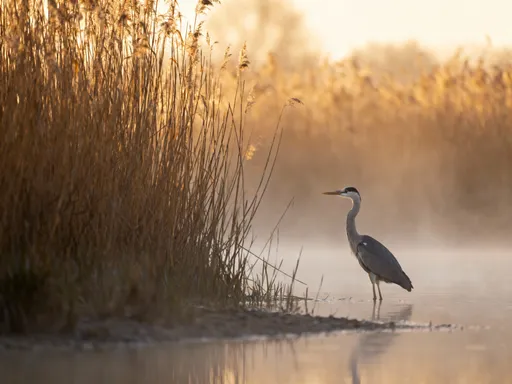
One of the most rewarding ways to engage with the lake is by renting a small rowboat. Unlike motorized vessels, rowboats move silently, allowing you to glide through secluded coves and listen to the natural world without intrusion. Paddling near the eastern shore, where reeds grow thick and herons sometimes stand motionless in the shallows, feels like entering a hidden world. The physical effort of rowing—gentle but present—makes the experience more intimate, more earned.
Lakeside walking paths also offer continuous access to the water’s edge. The trail from Hallstatt to Obertraun, paved but unobtrusive, follows the shoreline with minimal disruption to the natural setting. Along the way, benches appear at thoughtful intervals, inviting rest and reflection. These simple structures, often made of local wood, are more than functional—they are invitations to pause, to breathe, to notice.
Seasonal changes further transform the lake’s character. In summer, the water warms slightly, and swimmers can be seen taking quick dips from rocky outcrops. By autumn, the surrounding trees ignite in shades of amber and crimson, their colors bleeding into the lake’s surface. Winter brings a different kind of silence—when frost rims the shore and the lake sometimes wears a skin of ice, the world feels hushed, as if holding its breath. Each season offers a distinct version of beauty, yet all are unified by the lake’s quiet presence.
The Mountains That Cradle the Village
Rising over 2,000 meters above sea level, the Dachstein mountain range forms a dramatic embrace around Hallstatt. These peaks are not just scenic—they are geological giants, shaped by glaciers and time, their limestone faces bearing the scars and textures of millennia. From the village below, they appear as a fortress of stone, standing guard over the fragile beauty of the valley.
One of the most accessible ways to experience this grandeur is the funicular railway that climbs from Hallstatt to the Hallstatt Skywalk. The short ride itself is exhilarating, ascending steeply through forest and rock. But it’s the final moments—stepping onto the viewing platform—that take your breath away. Suspended high above the valley, the Skywalk offers a panoramic vista: the village looks like a model, the lake a silver ribbon, and the surrounding peaks stretching endlessly into the horizon. On clear days, visibility extends for dozens of kilometers, revealing a tapestry of alpine terrain.
The Skywalk is popular, but it earns its reputation. Designed with minimal visual impact, the platform blends into the landscape, allowing the mountains to remain the focus. Information panels provide context about the geology and ecology of the region, enriching the experience without overwhelming it. Families, solo travelers, and older visitors alike find value here—not just in the view, but in the sense of perspective it offers.
For those seeking a more active connection, hiking trails like the Echerbacher Weg deliver even deeper rewards. This well-maintained path winds through alpine meadows and rocky passes, offering changing views at every turn. In early summer, wildflowers bloom in abundance—edelweiss, gentians, and alpine asters painting the slopes in soft color. The trail is moderate in difficulty, suitable for most fitness levels, but the sense of accomplishment upon reaching a high vantage point is significant.
Timing enhances the experience. Early morning hikes are especially rewarding, when mist still clings to the valleys and the first sunlight gilds the mountain ridges. The air is cool, the trails quiet, and the light has a clarity that disappears as the day warms. These moments of solitude are rare in popular destinations, yet they are possible in Hallstatt for those willing to rise early and move with intention.
The mountains also play a crucial role in the region’s microclimate, influencing everything from rainfall to growing seasons. Their presence shapes not just the landscape, but the way people live. For centuries, locals have relied on the alpine pastures for grazing, the forests for timber, and the high slopes for salt mining—a tradition that dates back over 7,000 years. The Dachstein is not just beautiful; it is life-giving.
Hidden Forest Paths and Quiet Corners
Beyond the postcard views and famous landmarks, Hallstatt holds quieter treasures—wooded trails that wind behind the village, away from the main thoroughfares. These paths, often marked with simple yellow signs, lead into a world of dappled light and soft moss. Here, the noise of tourism fades, replaced by the rustle of squirrels, the chirp of warblers, and the occasional snap of a twig under unseen paws.
One such trail begins near the Catholic church and climbs gently into the hills. Within minutes, the village disappears from view. The path is narrow, bordered by ferns and ancient beech trees whose roots twist across the ground like knuckles. Sunlight filters through the canopy in shifting patterns, creating a sense of being inside a living cathedral. There are no crowds, no vendors, no guidebooks needed—just the quiet rhythm of walking and breathing.
These forest routes offer a different kind of beauty—one that is felt more than seen. It’s in the coolness of the air, the scent of pine and damp earth, the way silence deepens the farther you go. Unlike the panoramic views from the Skywalk, this beauty is intimate, personal, and cumulative. It builds slowly, like a conversation with nature that doesn’t require words.
Footwear matters on these trails. While they are generally well-maintained, the terrain can be uneven, especially after rain. Sturdy hiking shoes with good grip are recommended, as are layers—the forest can be several degrees cooler than the village below. A small backpack with water, a light snack, and a rain jacket ensures comfort without burden.
Some paths connect to higher meadows or old shepherd huts, offering unexpected rewards. Others simply loop back, forming quiet circuits ideal for reflection. The value isn’t in distance covered, but in presence cultivated. These trails remind us that not every meaningful experience needs to be photographed or shared. Some moments are meant to be kept, like secrets between you and the trees.
Seasonal Transformations: When to Visit for Pure Beauty
Each season in Hallstatt offers a distinct expression of beauty, making the village a year-round destination with different appeals. Spring arrives late in the alpine climate, usually in May, when snowmelt feeds the streams and wildflowers begin to dot the meadows. This is a time of renewal—when the air feels fresh, the light soft, and the landscape slowly wakes from winter’s sleep.
Summer, from June to August, is the most vibrant season. The days are long, the trails fully accessible, and the lake inviting for swimming and boating. However, this is also peak tourist season. The ferries run frequently, the main street can feel crowded, and accommodations book up months in advance. While the energy is lively and the weather most predictable, those seeking solitude may find it harder to come by.
September and October mark the shoulder season, often considered the ideal compromise. The temperatures remain pleasant, the autumn colors begin to appear by late September, and the number of visitors decreases noticeably. The light takes on a golden quality, especially in the mornings and late afternoons, enhancing the reflective beauty of the lake. Hiking conditions are excellent, and the chance to experience the landscape with fewer people increases significantly.
Winter transforms Hallstatt into a scene from a snow globe. From December through March, the village is often blanketed in white, the lake partially frozen, and the mountains capped in snow. The atmosphere is one of deep calm. Fewer tourists arrive, and those who do are often drawn by the quiet beauty and holiday charm. Christmas markets add warmth without overwhelming the setting, and cross-country skiing or winter walking trails offer gentle ways to explore.
Each season requires different preparation. Summer demands sun protection and hydration, while winter calls for thermal layers and traction devices for icy paths. Spring and autumn require versatility—packable jackets, waterproof shoes, and an openness to changing conditions. The best time to visit depends not on objective perfection, but on personal preference: whether you value energy or stillness, color or quiet, warmth or snow.
Sustainable Viewing: Respecting Nature While Exploring
As Hallstatt’s fame has grown, so have concerns about overtourism. Thousands of visitors arrive daily during peak months, testing the limits of a small village with limited infrastructure. Foot traffic erodes trails, waste accumulates, and the sense of peace can be disrupted. These challenges are real, but they are not inevitable. With mindful travel choices, visitors can help preserve the beauty they’ve come to admire.
One of the most effective steps is visiting during the shoulder seasons—May, September, or October—when the landscape remains stunning but the crowds are thinner. Staying for multiple nights, rather than arriving on a day trip, also reduces pressure. Overnight guests are more likely to explore slowly, support local businesses, and develop a deeper connection to the place.
Responsible behavior matters on the ground. Sticking to marked trails prevents soil erosion and protects fragile alpine plants. Carrying out all trash—even biodegradable items like apple cores—helps maintain water quality and prevents wildlife from becoming dependent on human food. Using reusable water bottles and bags reduces plastic waste, which is especially critical near a lake that serves as a drinking water source.
Supporting local eco-initiatives also makes a difference. Some guesthouses have adopted energy-efficient practices, and local guides offer nature-focused tours that emphasize conservation. Choosing these options sends a message that sustainability matters. Even small actions—like buying a snack from a family-run kiosk instead of a chain vendor—contribute to a healthier tourism economy.
The goal is not to eliminate tourism, but to transform it. Hallstatt does not need to choose between sharing its beauty and protecting it. With awareness and intention, both are possible. Every visitor has a role: to admire, yes, but also to safeguard. The mountains, the lake, the forests—they are not just scenery. They are a legacy.
Beyond the Postcard: Finding Personal Moments in Nature
In an age of constant documentation, Hallstatt offers a quiet rebellion: the invitation to experience without capturing. It’s easy to come here for the perfect photo—the mirror lake, the colorful houses, the mountain backdrop. And those images are beautiful. But the deeper value lies in the moments that don’t fit into a frame.
It might be the half-hour you spend sitting on a lakeside bench, watching the light shift as clouds pass overhead. Or the sound of your own breath as you pause halfway up a forest trail, surrounded by silence. It could be the warmth of a cup of tea in a small café, looking out at the rain tapping on the window, feeling completely at ease. These are the experiences that stay with you—not as images, but as feelings.
Slowing down is the most radical act a traveler can make. In Hallstatt, it is also the most rewarding. When you stop rushing from viewpoint to viewpoint, when you allow yourself to simply be, the landscape begins to speak. Not in words, but in sensation—in the cool breeze, the scent of wet stone, the way the mountains seem to watch over you.
That sense of connection is what makes Hallstatt more than a destination. It becomes a state of mind—a reminder that beauty is not just something to consume, but something to inhabit. It teaches us to notice, to appreciate, to protect. And in doing so, it changes not just how we see the world, but how we move through it.
If you go, go with openness. Let the village reveal itself in its own time. Walk without agenda. Sit without purpose. Breathe deeply. Because Hallstatt’s greatest gift is not its view, but its ability to restore a sense of wonder. And that is something worth traveling for.