Ljubljana’s Hidden Truth: When Charming Streets Turn Tourist Traps
You know that feeling when a city looks perfect in photos but feels *off* once you’re there? Ljubljana stole my heart at first sight—cobbled lanes, flower-lined canals, dreamy cafés. But as I wandered deeper, I realized something: the most picturesque spots were also the most commercialized. What looked authentic often felt staged. This isn’t a hate letter to Ljubljana—it’s a real talk about how charm can blur into cliché when tourism takes over. While the Slovenian capital continues to earn accolades for its walkability, green spaces, and baroque charm, a quieter transformation is underway—one that affects not just how visitors experience the city, but how residents live within it. The question is no longer whether Ljubljana is worth visiting, but how we visit it, and what we leave behind.
First Impressions: Falling for Ljubljana’s Postcard Beauty
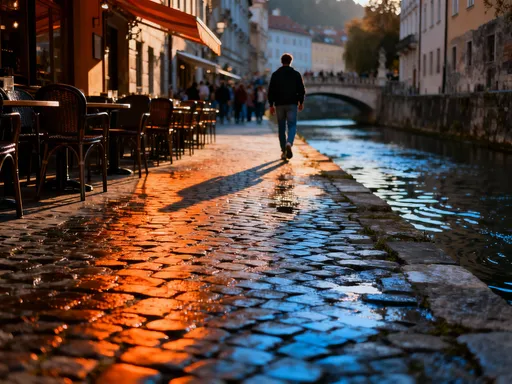
Ljubljana greets travelers like a carefully curated postcard. The Ljubljanica River curls through the city center like a ribbon of liquid silver, flanked by pastel-colored buildings with wrought-iron balconies spilling over with geraniums. The Triple Bridge, a graceful trio of walkways connecting the old and new towns, becomes a natural gathering point for both tourists and street performers. Prešeren Square, anchored by the pink-marble Franciscan Church, pulses with energy—musicians play accordions, pigeons scatter at sudden laughter, and café tables spill onto cobblestones under striped awnings. It’s easy to fall in love here, and just as easy to understand why travel magazines consistently rank Ljubljana among Europe’s most charming small capitals.
The city’s pedestrian-friendly layout enhances the enchantment. Since 2007, the historic core has been largely closed to private vehicles, allowing visitors to stroll freely from the open-air Central Market to Ljubljana Castle perched on a hilltop. This deliberate urban planning has created a safe, serene atmosphere ideal for walking and exploration. Green spaces like Tivoli Park and the tree-lined avenues radiating from Congress Square offer peaceful respites. These design choices were not made for tourism alone—they reflect a broader commitment to sustainability and quality of life, values that resonate deeply with modern travelers seeking meaningful experiences.
Yet, this very appeal has become a double-edged sword. The same features that make Ljubljana so inviting—its compact size, visual harmony, and accessibility—also make it vulnerable to over-concentration of visitors. The most photographed areas become focal points not just for admiration, but for commercial exploitation. What begins as a celebration of urban beauty can quietly shift into a performance of authenticity, where ambiance is curated for consumption rather than lived experience. The initial magic remains, but beneath it, tensions simmer—between locals and visitors, between tradition and commodification, between preservation and profit.
The Commercial Core: Where Authenticity Starts to Fade
As tourism has grown, certain streets have transformed from local thoroughfares into commercial corridors designed primarily for visitor consumption. Mestni trg, once a modest town square, now hosts a predictable lineup of souvenir shops selling nearly identical Slovenian-themed trinkets—wooden bears, embroidered handkerchiefs, honey-flavored liqueur in rustic bottles. Gosposka ulica, once lined with family-run boutiques, now features international fast-fashion chains and standardized café terraces with identical bistro sets and laminated menus. The visual charm remains, but the soul of these places feels diluted, as if the city’s character has been flattened into a repeatable formula.
Walk along the riverbanks during peak season and you’ll notice patterns: nearly every second establishment is a café or ice cream parlor with outdoor seating angled perfectly for photos. Menus are printed in five languages—English, German, Italian, French, and Chinese—catering to the dominant tourist demographics. While multilingual service is practical, it also signals a shift in priorities: businesses now design their offerings not for neighborhood needs, but for maximum tourist turnover. Staff often appear weary, repeating the same greetings and recommendations dozens of times a day, their interactions reduced to scripted exchanges rather than genuine hospitality.
The loss of local character is most evident in the displacement of independent vendors. Artisan workshops that once repaired shoes, framed artwork, or sold handmade ceramics have been replaced by franchises or short-term rental units converted into pop-up shops. In their place, you’ll find generic “Slovenian souvenirs” mass-produced elsewhere, often in neighboring countries, then branded with national motifs. This isn’t unique to Ljubljana—cities from Bruges to Dubrovnik face similar challenges—but in a place so proud of its cultural identity, the contrast feels particularly jarring. The city’s charm risks becoming a brand, not a way of life.
Tourism Overload: How Crowds Reshape the Urban Experience
On a sunny Saturday in July, the historic center of Ljubljana can feel less like a city and more like a crowded event space. Foot traffic surges, particularly when river cruise passengers disembark in groups of fifty or more, guided by colored umbrellas and loudspeaker announcements. The Triple Bridge, designed for leisurely strolls, becomes a bottleneck where tourists pause for selfies while others squeeze past, backpacks brushing against café chairs. The once-peaceful promenade along the Ljubljanica turns into a slow-moving procession, with vendors hawking rose-scented candles and selfie sticks from portable kiosks.
This influx isn’t evenly distributed. While neighborhoods like Bežigrad or Šiška remain calm, the central zone bears the brunt of seasonal peaks. During high summer, visitor numbers can triple the local population in certain districts, straining infrastructure and altering the rhythm of daily life. Residents report difficulty accessing their own streets, finding parking, or enjoying quiet evenings outdoors. The sensory environment shifts dramatically—what begins as lively chatter by mid-morning evolves into a constant hum of voices, music, and footsteps by noon. For long-term residents, this isn’t vibrancy; it’s noise fatigue.
Businesses adapt accordingly. To handle volume, many prioritize speed and efficiency over experience. Coffee is served in disposable cups even when consumed at tables. Staff move quickly between tables, minimizing conversation. Portions may shrink while prices rise, reflecting the economics of high-turnover tourism. Even cultural spaces feel the pressure—small galleries near the castle may host temporary exhibits tailored to tourist tastes rather than local artistic discourse. The result is a subtle but pervasive shift: the city begins to serve visitors first, residents second. While tourism brings economic benefits, the lived experience of the city becomes increasingly bifurcated.
The Price of Charm: Inflation in Food, Drink, and Experiences
One of the most tangible effects of tourism concentration is the inflation of prices in central areas. A simple espresso in a riverside café can cost €3.50—nearly double what the same drink costs in a residential neighborhood just ten minutes’ walk away. Cocktails often exceed €8, with some rooftop bars charging €12 for a basic gin and tonic. These aren’t luxury venues; they’re standard tourist-facing establishments where the premium is paid not for quality, but for location and view. For visitors, this may seem like a fair trade. For locals, it means their favorite spots become unaffordable, pushing them to the periphery.
The pricing model extends beyond beverages. A three-course “traditional Slovenian meal” in a central restaurant may cost €40–50 per person, with portions that don’t always match the price. Menus often feature dishes with national names—like *potica* or *žlikrofi*—but prepared in bulk, lacking the care of home cooking. Some establishments add mandatory service charges or “table fees” for outdoor seating, even if customers only stay for ten minutes. Others push combo menus that bundle drinks and desserts at inflated rates, making it difficult to order simply and affordably.
This economic divide shapes who feels welcome. Families, students, and elderly residents increasingly avoid the city center during weekends and holidays, reserving their visits for early mornings or off-season months. The message, though unspoken, is clear: this space is no longer for you. While tourism revenue supports jobs and city services, the social cost is a growing sense of exclusion. When charm becomes monetized, accessibility suffers. The city risks becoming a museum piece—beautiful to behold, but difficult to inhabit.
Beyond the Center: Discovering Ljubljana’s Less-Seen Side
Yet, Ljubljana’s true character thrives beyond the postcard-perfect core. In neighborhoods like Bežigrad, Krakovo, and the quieter stretches of Šiška, life unfolds at a different pace. Here, you’ll find family-run bakeries where elders line up for fresh *kruh* (bread) at 7 a.m., and corner shops that sell pickled vegetables, homemade sausages, and Slovenian honey in brown paper bags. Krakovo Market, held every morning except Monday, offers seasonal produce—plums in summer, pumpkins in autumn, wild mushrooms in fall—sold by farmers who speak limited English but smile warmly at curious visitors.
Artistic life flourishes in unexpected places. Independent galleries like Kud France Prešeren host rotating exhibitions of local painters and sculptors. Music venues in former industrial spaces feature jazz, folk, and classical performances attended mostly by residents. Even the city’s graffiti, often dismissed as vandalism, tells a story—colorful murals in Metelkova Mesto, a former military barracks turned autonomous cultural center, reflect alternative voices and creative resistance. These spaces aren’t hidden because they’re inaccessible, but because they’re not designed for tourist consumption. They exist for the community, not the camera.
Visiting these areas requires only a slight shift in mindset. Instead of arriving by tour bus, take the local tram or walk across the quieter southern bridges. Visit the outer wings of the Central Market, where butchers and fishmongers serve regular customers. Stop by a neighborhood *kavarna* (coffee shop) where the menu is in Slovenian and the barista remembers your order. Arrive early in the morning or later in the evening, when the day-trippers have left. These simple choices open a more intimate, authentic Ljubljana—one defined not by aesthetics, but by presence, routine, and connection.
Balancing Act: Can Ljubljana Keep Its Soul While Welcoming Visitors?
Ljubljana’s city government has taken commendable steps to manage tourism sustainably. The pedestrianization of the center, the expansion of green spaces, and investments in public transport reflect a long-term vision for livability. Regulations on short-term rentals have tightened in recent years, limiting the conversion of residential units into tourist apartments. Seasonal street closures and pop-up events for residents aim to reclaim public space. The city also promotes cultural programming beyond the tourist season, encouraging locals to engage with their own city year-round.
Yet, challenges remain. While outdoor seating permits are regulated, enforcement is inconsistent. Some businesses expand their terraces illegally during peak months, encroaching on sidewalks and reducing accessibility for pedestrians and wheelchair users. Support for local artisans exists in the form of seasonal craft fairs, but these are often temporary and lack year-round visibility. Meanwhile, the economic incentives for commercial tourism remain strong, making it difficult for small independent businesses to compete on rent and visibility.
The deeper question is one of identity. Can a city remain authentically itself while catering to millions of visitors annually? Ljubljana’s answer is still unfolding. Some neighborhoods have adapted by blending tourism with local life—offering guided tours led by residents, hosting community dinners, or creating hybrid spaces where visitors are welcome but not dominant. These efforts, though small, suggest a path forward: not anti-tourism, but pro-balance. The goal isn’t to close the city off, but to ensure that growth doesn’t come at the expense of its soul.
A Traveler’s Responsibility: How to Visit with Intention
Ultimately, the future of Ljubljana—and cities like it—depends not just on policy, but on how we choose to travel. Mindful tourism begins with intention: asking not just where to go, but why, and with what impact. Instead of rushing from landmark to landmark, consider spending more time in fewer places. Sit in a local park and observe daily life. Visit a neighborhood bakery and try a pastry you can’t pronounce. Strike up a conversation with a shopkeeper, even if it’s just a simple “Hvala” (thank you). These small acts of presence do more to connect us to a place than any photo ever could.
Financial choices matter. Spending at family-run restaurants, independent bookstores, or artisan markets supports the local economy in ways that chain stores do not. Opting for an off-season visit reduces pressure on infrastructure and allows for a more relaxed experience. Choosing accommodations outside the historic center—like guesthouses in Bežigrad or Šiška—helps distribute tourism benefits more evenly. Even something as simple as carrying a reusable water bottle respects the city’s environmental values and reduces waste.
Most importantly, travelers can shift their mindset from consumption to connection. A city is not a backdrop for our stories; it is a living, breathing community with its own rhythms and needs. When we recognize that, our role changes—from passive observer to respectful guest. We begin to see Ljubljana not as a checklist of sights, but as a place where people live, work, and love. And in that shift, we find not just better travel, but better understanding.
Ljubljana remains beautiful—but its true magic lies just beyond the polished surface. The commercial zones aren’t evil; they’re symptoms of success. Yet, for travelers willing to wander further, a more intimate, human-scale city waits. Let’s stop chasing perfection and start valuing presence. Because the best journeys don’t just show us new places—they teach us how to see them rightly.