What I Learned About Aging Well — My Real Food Rules That Actually Help
Aging isn’t something we can stop, but how we age is more in our control than we think. I used to believe anti-aging was about creams or quick fixes—until I realized the real power lies in what’s on my plate. Cutting out certain foods and focusing on smarter choices didn’t just change my energy levels—it reshaped how I feel every single day. This isn’t about extreme diets or perfection. It’s about small, doable changes that add up. Here’s what truly made a difference for me.
The Wake-Up Call: When I Realized Aging Was Accelerating
For years, I told myself that feeling tired was just part of getting older. I blamed long days, busy schedules, and the natural passage of time. But then the signs became harder to ignore. My skin lost its glow, my joints creaked when I stood up, and I needed more coffee just to get through the morning. I wasn’t sick, but I didn’t feel like myself. The turning point came after a routine blood test revealed elevated markers of inflammation—something my doctor gently suggested might be linked to what I was eating.
That moment shifted everything. I had always assumed aging was something that happened to us, not something we influenced daily. I thought it was mostly genetics or luck. But research shows that while genes play a role, lifestyle choices—especially diet—can either speed up or slow down how our bodies age. Chronic inflammation, oxidative stress, and poor cellular repair are not just abstract medical terms. They are real processes that show up in how we look, feel, and function.
What surprised me most was learning that many of the foods I considered “normal” or even “healthy” were quietly contributing to this internal aging process. The morning muffin, the afternoon snack bar, the glass of wine with dinner—none of these felt extreme, but together, they were sending constant signals to my body to age faster. Sugar spikes, insulin resistance, and free radical damage were happening beneath the surface, long before visible signs like wrinkles or stiffness appeared.
Understanding this connection was empowering. It meant I wasn’t helpless. If poor food choices could accelerate aging, then better ones could slow it down. I didn’t need a miracle. I needed a mindset shift—from chasing quick fixes to building sustainable habits that supported my body’s natural ability to stay strong, vibrant, and resilient.
Why Food Choices Matter More Than Skincare Routines
It’s easy to spend money on serums, moisturizers, and facials, hoping they’ll turn back the clock. And while a good skincare routine has its place, it only treats the surface. True aging begins from within. The skin is an organ, just like the heart or liver, and it reflects what’s happening inside the body. When we nourish our cells with the right nutrients, we support collagen production, reduce damage from environmental stressors, and promote natural repair—all of which show up as clearer skin, fewer fine lines, and a healthier glow.
One of the biggest culprits in premature aging is a process called glycation. Without getting too technical, this happens when sugar molecules attach to proteins like collagen and elastin, making them stiff and less functional. Imagine a rubber band losing its stretch—this is what happens to skin when too much sugar is in the system. Over time, this leads to sagging, dullness, and wrinkles. The more sugar we consume, especially from processed sources, the faster this process occurs.
But it’s not just about sugar. Processed foods often contain trans fats, refined carbohydrates, and artificial ingredients that trigger inflammation. Even if someone looks fine on the outside, these foods can be causing internal damage—increasing the risk of chronic conditions and accelerating the aging of vital organs. A person might wear sunscreen every day and avoid the sun, but if their diet is full of inflammatory foods, they’re still aging from the inside out.
Topical solutions can improve texture and hydration, but they can’t repair cellular damage or boost energy production. Only nutrition can do that. Eating foods rich in antioxidants, healthy fats, and essential vitamins gives the body the raw materials it needs to maintain itself. It’s the difference between painting over a crack and reinforcing the foundation. When I started focusing on food as medicine, I noticed changes that no cream could deliver—more radiance, better healing, and a sense of vitality that went far beyond appearance.
The Hidden Aging Triggers in Everyday Diets
Some of the most damaging foods for aging are the ones we eat without thinking. They’re in our pantries, our lunchboxes, and our coffee breaks. Refined sugars, for example, are everywhere—even in foods labeled as “low-fat” or “healthy.” A single serving of flavored yogurt can contain more sugar than a dessert. These sugars cause rapid spikes in blood glucose, leading to increased insulin production, fat storage, and inflammation. Over time, this metabolic stress contributes to insulin resistance, a key driver of accelerated aging.
Trans fats, often found in packaged snacks, fried foods, and margarine, are another major concern. They increase bad cholesterol, decrease good cholesterol, and promote systemic inflammation. Even small amounts have been linked to higher risks of heart disease and cognitive decline. While many countries have taken steps to reduce trans fats in the food supply, they still appear in some processed items under names like “partially hydrogenated oils,” so reading labels is essential.
Alcohol, when consumed regularly, also plays a role in how we age. It dehydrates the skin, disrupts sleep quality, and places extra burden on the liver—the organ responsible for detoxification and hormone balance. Even moderate drinking can interfere with the body’s ability to repair cells and regulate inflammation. For many women in their 40s and beyond, cutting back on alcohol leads to noticeable improvements in skin clarity, energy, and mental focus.
Another hidden issue is frequent snacking. Constantly eating, especially on carbohydrate-rich or sugary foods, keeps insulin levels elevated. This not only promotes fat storage but also activates aging pathways in the body. Intermittent periods without food—such as waiting three to four hours between meals—allow insulin to drop and give the body a chance to repair and reset. When I started paying attention to not just what I ate, but when, I saw real differences in how I felt throughout the day.
Cutting Back Without Cutting Joy: My Dietary Shifts
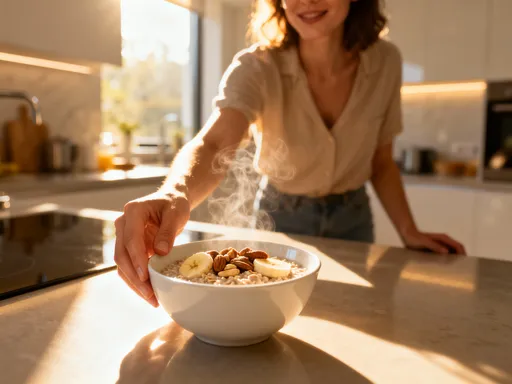
One of my biggest fears when changing my diet was that I’d feel deprived. I didn’t want to live without flavor, satisfaction, or the simple pleasure of eating something sweet after dinner. What I learned is that restriction rarely works long-term. Instead, I focused on substitution and balance. I replaced sugary desserts with fresh fruit topped with a spoonful of almond butter. I swapped white bread for whole grain or sprouted varieties that kept me full longer. These weren’t perfect changes, but they were sustainable.
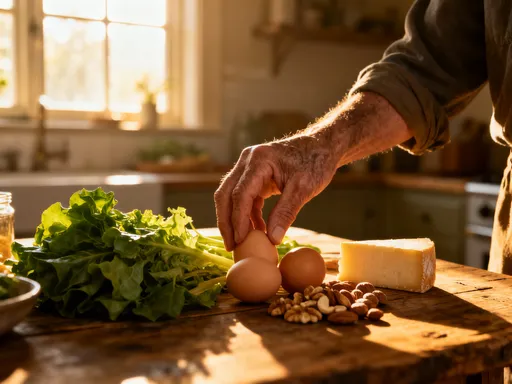
I also began prioritizing whole, unprocessed foods. Instead of reaching for packaged meals, I started cooking more at home with vegetables, lean proteins like chicken or fish, and healthy fats like avocado, olive oil, and nuts. These foods naturally regulate appetite, support stable energy, and provide the nutrients my body needed to function well. I didn’t eliminate treats completely—I just made them intentional rather than automatic.
The 80/20 rule became my guiding principle: 80% of the time, I focused on nutrient-dense, whole foods; 20% of the time, I allowed myself flexibility. This balance removed the guilt and stress that often come with dieting. I could enjoy a piece of cake at a birthday party without feeling like I’d ruined my progress. The key was consistency over time, not perfection in every meal.
Meal timing also made a difference. I started eating within an hour or two of waking and tried to finish dinner at least three hours before bedtime. This simple shift helped regulate my blood sugar, improved my sleep, and reduced nighttime hunger. I wasn’t following a strict fasting protocol—just giving my body predictable rhythms. Over time, my energy became more stable, and I no longer relied on caffeine or sugar to get through the afternoon slump.
The Anti-Aging Power of What I Added (Not Just Removed)
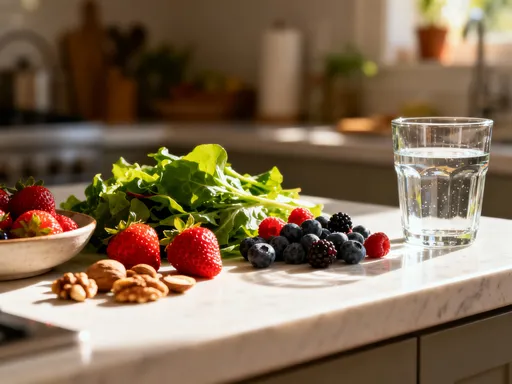
While cutting out certain foods helped, what I added to my diet made an even bigger impact. Hydration became a daily priority. I started each morning with a glass of water with lemon and aimed for at least eight glasses throughout the day. Proper hydration supports skin elasticity, digestion, and mental clarity. Even mild dehydration can cause fatigue and brain fog, so this simple habit made a noticeable difference.
I also increased my intake of antioxidants—nutrients that protect cells from damage caused by free radicals. These come from colorful fruits and vegetables, especially berries, spinach, kale, and sweet potatoes. I began adding a large serving of leafy greens to at least one meal a day, either in a salad or sautéed with garlic and olive oil. Berries became my go-to snack, packed with anthocyanins that support brain health and reduce inflammation.
Fiber, another key player, helped regulate my digestion and keep blood sugar stable. I got it from vegetables, legumes, chia seeds, and oats. A high-fiber diet is linked to better gut health, which in turn influences everything from immunity to mood. I also incorporated fermented foods like plain yogurt and sauerkraut, which provide beneficial probiotics. A healthy gut microbiome is now recognized as a critical factor in how we age—supporting nutrient absorption, reducing inflammation, and even influencing skin health.
Healthy fats were another essential addition. I no longer feared fat—especially the kind found in nuts, seeds, avocados, and fatty fish like salmon. These fats support hormone balance, brain function, and skin hydration. Omega-3 fatty acids, in particular, have been shown to reduce inflammation and support cognitive health. I made it a goal to eat fatty fish at least twice a week and kept a jar of mixed nuts on hand for easy snacking.
Real Changes I’ve Seen—And How Long It Took
The first change I noticed was energy. Within just two weeks of cutting back on sugar and processed foods, I felt more alert in the morning and didn’t crash in the afternoon. I no longer needed that second cup of coffee to stay focused. My mood also improved—less irritability, more calm. These early wins kept me motivated to keep going.
After about three months, my skin began to change. It wasn’t a dramatic transformation, but it was real. My complexion looked brighter, my pores appeared smaller, and I had fewer breakouts. Friends started commenting that I looked “well-rested” or “glowing,” even on days when I hadn’t slept perfectly. My joints also felt better—less stiffness when I got out of bed, especially in cooler weather.
Mental sharpness improved over time. I found it easier to remember names, follow conversations, and stay focused during tasks. Sleep quality deepened, too. I fell asleep faster and stayed asleep longer, likely due to more stable blood sugar and reduced inflammation. These weren’t overnight miracles, but steady, cumulative improvements that built on each other.
What surprised me most was how these changes affected my overall sense of well-being. I didn’t just look or feel younger—I felt more capable, more present, and more in control of my health. Aging didn’t stop, but it felt different. Instead of dreading birthdays, I began to see them as milestones of experience and wisdom, supported by a body that still had strength and vitality.
Sustainable Habits, Not Short-Term Fixes
I’ve tried strict diets before—cutting out entire food groups, counting every calorie, following rigid rules. They never lasted. The problem with restriction is that it creates stress, which ironically accelerates aging. When we feel deprived, our bodies respond with increased cortisol, the stress hormone that promotes fat storage, weakens immunity, and damages cells. Lasting change doesn’t come from punishment—it comes from mindfulness and self-care.
Now, I listen to my body. If I’m craving something sweet, I ask myself if I’m truly hungry or just tired or emotional. Sometimes, a short walk or a few deep breaths is what I really need. Other times, a small piece of dark chocolate is the right answer. The goal isn’t to follow a perfect plan but to make choices that support long-term health without causing anxiety.
This approach isn’t about fear of aging. It’s about respect for the body and a commitment to living well at every stage. I don’t expect to look 25 again, and I don’t want to. I want to age with grace, strength, and energy. I want to be active with my family, enjoy my hobbies, and feel good in my own skin. And I’ve learned that the most powerful tool I have is not a pill or a procedure—it’s my plate.
Every meal is a chance to nourish myself, to invest in my future well-being. It’s not about perfection. It’s about progress, consistency, and kindness. When we treat food as a form of self-respect rather than something to control or fear, we create a healthier relationship with our bodies. And that, more than any trend or product, is the real secret to aging well.