After Trying 12 Online Fitness Courses, This One Finally Fit My Busy Life
Remember those New Year’s resolutions to exercise more, only to quit by February? I’ve been there—juggling work, family, and personal time felt impossible. I tried gyms, apps, even early-morning yoga, but nothing stuck. Then I discovered the right online fitness course, not because it was flashy, but because it adapted to me. It wasn’t about perfection; it was about progress that fit into real life. If you’ve ever felt too busy to stay fit, this story is for you.
The Breaking Point: When “No Time” Became a Lifestyle
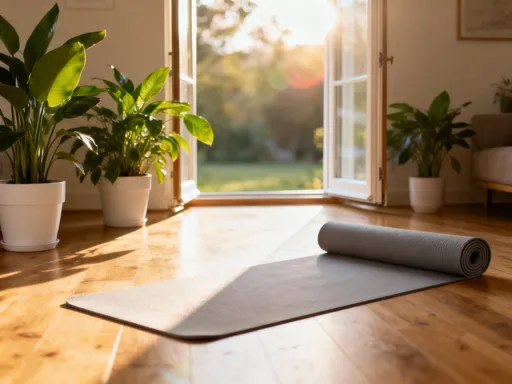
There was a time when I thought fitness meant a packed gym bag, protein shakes, and waking up at 5:30 a.m. like some kind of superhero mom. I really tried. I bought the leggings, downloaded the apps, even cleared space in the living room for a yoga mat. But by week three, life always won. A sick child, a work deadline, or simply exhaustion would knock me off track—and the guilt would follow. I wasn’t lazy. I wasn’t unmotivated. I was just… busy. Real busy. The kind of busy where dinner is scrambled eggs for the third night in a row and “me time” means brushing your teeth before collapsing into bed.
Then one morning, as I stood in front of the mirror pulling my shirt over my head, I noticed something that stopped me cold. My daughter, just five years old, was standing behind me, mimicking my rounded shoulders and slumped posture. She wasn’t trying to be funny. She was just copying what she saw every day—her mom moving through life like she was carrying an invisible weight. That moment hit me harder than any number on the scale ever could. It wasn’t about losing ten pounds or fitting into a dress. It was about showing up as someone strong, present, and alive—not just surviving, but thriving. I realized I didn’t need another rigid routine. I needed a way to move that fit my life, not one that demanded I change it completely.
Why Most Online Fitness Programs Fail for Real Lives
So I went on a mission. I tried over a dozen online fitness platforms—some were free, others cost more than my monthly grocery bill. I wanted to believe in them. I really did. But so many were built for a life that didn’t look like mine. One program promised transformation in 30 days with 60-minute daily workouts. Another required kettlebells, resistance bands, and a pull-up bar—none of which I owned or had space for. One even sent me weekly meal plans with ingredients I couldn’t pronounce, let alone find at my local store.
And the timing? Many classes started at 6 a.m. or 7 p.m.—right when I was either chasing a toddler or helping with homework. I felt like I was failing the program, but the truth was, the program was failing me. It didn’t understand that some days, my “gym” is the kitchen floor between loading the dishwasher and folding laundry. It didn’t know that my energy levels shift like the weather—some days I feel unstoppable, others I can barely lift my head off the pillow. The biggest issue wasn’t my willpower. It was the lack of flexibility. Real life doesn’t pause for fitness. So why should fitness demand that we pause life?
I also missed the human touch. Some platforms felt robotic—automated emails, pre-recorded videos with no real connection. No one said, “It’s okay if you missed a day.” No one acknowledged that life happens. And when there’s no support, it’s so easy to disappear. I learned that the best fitness solutions aren’t the ones with the flashiest videos or the most expensive trainers. They’re the ones that understand you’re not just a body to be reshaped—you’re a person with a full, messy, beautiful life.
The One That Worked: Flexibility Over Perfection
Then I found it. Not a miracle cure, not a celebrity-endorsed program, but a simple, thoughtful online course that changed everything. It didn’t promise a bikini body or viral transformation photos. Instead, it offered something radical: respect for my time. The workouts were short—10 to 25 minutes—and designed to match my energy, not drain it. Some days I did the full session. Others, I just did five minutes of stretching while the coffee brewed. And guess what? It still counted.
The real magic was in the smart scheduling. I told the app my typical routine—when I wake up, when the kids get home, when I usually feel most tired—and it adapted. Instead of sending me a reminder at 6 a.m. for a 45-minute HIIT class (which, let’s be honest, would never happen), it suggested a 12-minute gentle flow at 7:30 p.m., right after dinner cleanup. No guilt. No pressure. Just an invitation. And the instructors? They sounded like real people. One started a session by saying, “If you only take three deep breaths today, that’s enough. You’re still showing up.” Can you believe that? No shaming, no shouting, just kindness and understanding.
This shift—from performance to presence—changed how I saw fitness. It wasn’t about pushing harder or proving anything. It was about showing up for myself, even in small ways. And over time, those small moments added up. I started feeling stronger, yes, but more importantly, I started feeling calmer, more in control. The program didn’t demand perfection. It celebrated consistency—even if that consistency looked different every day.
How It Blends into Daily Routines (Not the Other Way Around)
The secret wasn’t discipline. It was design. This course didn’t fight my routine—it flowed with it. I began weaving movement into the edges of my day. While the laundry was folding, I’d do a set of squats. While waiting for the kids’ bathwater to warm up, I’d stretch my hamstrings. Even standing at the stove stirring pasta, I’d shift my weight from foot to foot, engaging my core. These weren’t “workouts” in the traditional sense, but they were movement—and movement matters.
The app learned my habits. If I skipped a session on a high-stress workday, it didn’t nag me. Instead, it offered a five-minute breathing exercise the next morning. If I consistently worked out after dinner, it started suggesting similar times. It wasn’t rigid. It was responsive. And because it felt so natural, I didn’t dread it. In fact, I started looking forward to those little moments of pause. They became my reset button.
Even better, my family started joining in. My daughter called the morning stretches “the wiggly snake game.” My partner, who used to roll his eyes at anything “wellness-related,” began joining me for weekend mobility sessions. We’d put on soft music, roll out the mats, and just move together. It became our quiet time, our connection point. Fitness stopped being something I did *instead* of family time. It became part of it. And that made all the difference.
Beyond the Body: How Movement Improved My Mind and Mood
The physical changes came, but slowly. My posture improved. I could carry the groceries up the stairs without stopping. I didn’t feel winded playing tag at the park. But the mental and emotional shifts? Those were immediate. I noticed that on days I moved—even just for ten minutes—I was calmer during work calls, more patient with my kids, and even more present during conversations. I wasn’t just building muscle. I was building mental resilience.
The course included short audio guides on mindful movement—how to sync breath with motion, how to notice tension and release it. One session focused on “softening the shoulders,” which sounds simple, but for someone who carries stress there like a permanent backpack, it was revolutionary. I started applying these techniques off the mat. Waiting in the school pickup line? Deep breaths. Feeling overwhelmed by emails? A quick shoulder roll and reset. These tiny practices became anchors in my day.
Sleep improved too. I used to lie awake, my mind racing through tomorrow’s to-do list. But after a short evening stretch and breathing routine, my body felt more relaxed, and my thoughts slowed down. I wasn’t trying to “fix” anything. I was just creating space to be in my body again. And in that space, I found clarity, calm, and a sense of accomplishment—even on days when nothing else went right.
Practical Tips to Find the Right Fit for Your Life
If you’ve tried and quit online fitness before, don’t blame yourself. The problem likely wasn’t you—it was the program. After my journey, I’ve learned what to look for. First, choose platforms that offer adaptive scheduling. Life isn’t predictable, so your fitness shouldn’t be either. Look for apps that let you set your availability and adjust reminders based on your real routine.
Second, avoid anything that requires special equipment or a perfect environment. You don’t need a home gym. You need something you can do in your socks on a rug while the dog watches. Simplicity is key. Third, listen to the instructors. Do they sound like real people who’ve had bad days too? Do they acknowledge that life gets messy? If they’re all about intensity and perfection, that’s a red flag. You want warmth, encouragement, and realism.
Fourth, try before you commit. Most platforms offer free trials. Use them wisely. Don’t just look at the workouts—notice how the program makes you feel. Does it add pressure or relieve it? Can you imagine doing it on a chaotic Tuesday when the kids are loud and dinner is late? And here’s a trick: talk to the app like a friend. “Hey, can we do this tomorrow instead?” If the program feels rigid, it’s not the one. If it adapts, it’s a keeper.
Finally, pair your movement with an existing habit. Do your five-minute stretch after you brush your teeth. Do a breathing exercise while your coffee brews. Habit stacking makes it stick. And remember, consistency beats intensity every time. Five minutes a day is better than one hour once a month.
The Real Win: Feeling at Home in Your Body Again
After months of showing up—some days strong, others barely—something shifted. It wasn’t just that my clothes fit better. It was how I moved through the world. I put on an old pair of jeans and realized they didn’t just fit—they felt different. Not smaller, but more connected. Like my body and I were finally on the same team. I could play with my kids without needing to sit down after five minutes. I could walk up a flight of stairs and keep talking. I could stand in the kitchen and realize I wasn’t slouching.
But the biggest win was internal. I felt like myself again. Not a perfect version, not a filtered version, but the real me—capable, grounded, and present. This journey wasn’t about chasing an impossible ideal. It was about reclaiming what was already there: energy, joy, and the simple ease of feeling at home in your body. And it happened not by overhauling my life, but by finding technology that understood it.
If you’ve ever thought, “I don’t have time to exercise,” I get it. I’ve been there. But what if fitness didn’t have to be another thing on your to-do list? What if it could be woven into the life you’re already living? That’s the power of the right program—not one that changes you, but one that supports you. And if I can do it, with all my chaos and imperfections, then so can you. You don’t need more time. You just need the right kind of movement—one that fits, finally, like it was made for you.